
California Reinstatement Document Checklist: DL-44, SR-22, Proof
Free to compare
What the DMV Actually Requires Before Reinstatement in California
California requires three core documents before reinstating your license after a DUI suspension: proof of SR-22 insurance filing on file with the DMV, completion certificate from a state-licensed DUI program (typically a 3-month, 9-month, or 18-month program depending on your offense), and payment confirmation of the $55 reissue fee under California Vehicle Code §14904. All three must be present in the DMV system before your driving privileges are restored.
The SR-22 filing must come directly from your insurance carrier to the DMV electronically through California's Electronic Financial Responsibility (EFR) system under Vehicle Code §16058. A paper certificate you receive from your insurer does not satisfy the requirement. The DMV validates the filing internally before processing your reinstatement application.
If your suspension included ignition interlock device (IID) installation as a condition of your restricted license, you will also need form DL-44 signed by your IID provider and notarized before the DMV will remove the IID restriction from your record. This form is required even if you completed the IID period successfully. The DL-44 is not automatically filed by your IID provider; you must request it, have it notarized, and submit it to the DMV yourself.
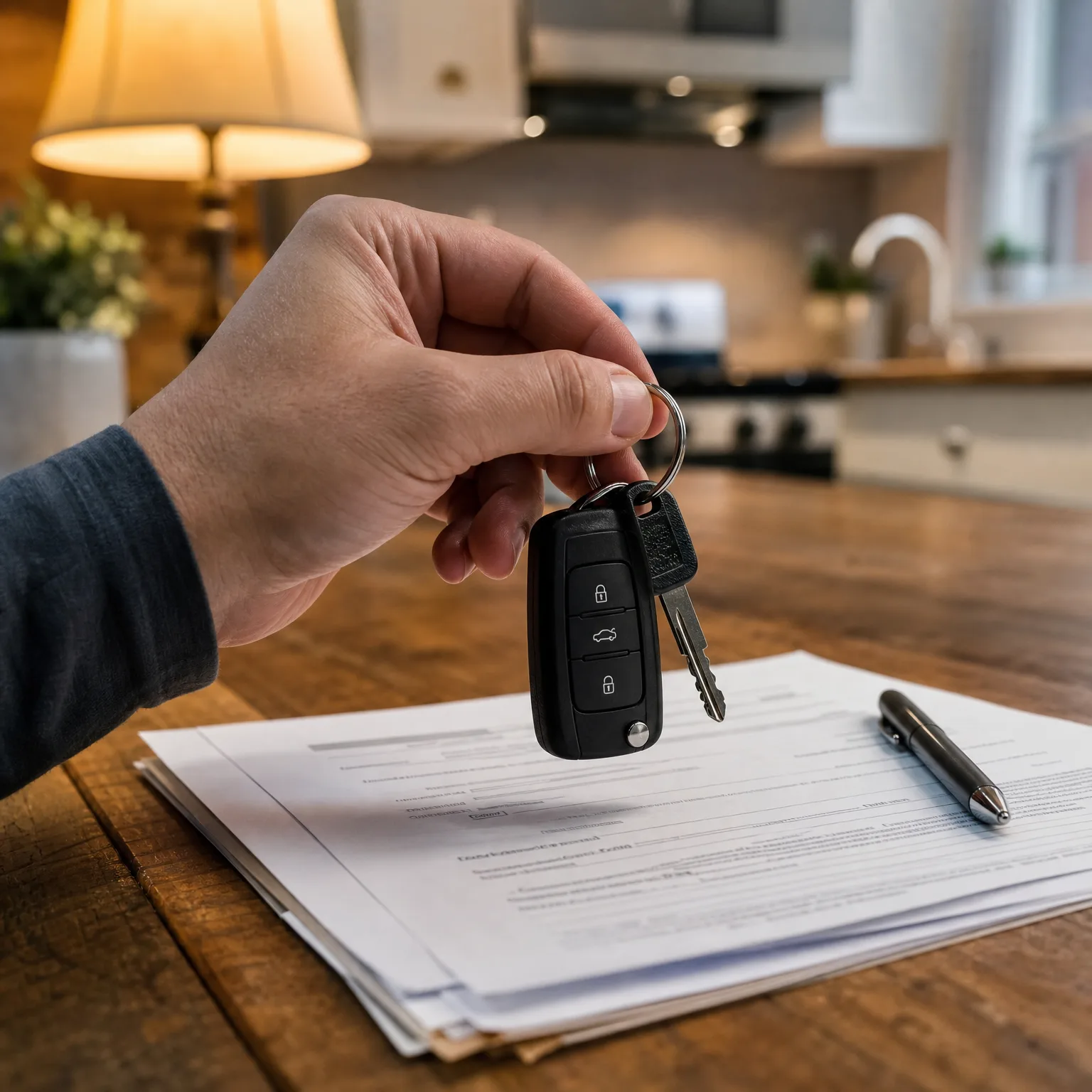
Why the DL-44 Form Blocks So Many Reinstatements
California expanded ignition interlock requirements statewide for all DUI-related restricted licenses under AB 91, effective January 1, 2019. First-offense DUI drivers who installed an IID to bypass the 30-day hard suspension must now complete the IID period (typically 12 months for first offense) and file form DL-44 to remove the IID restriction from their license record. The DMV will not process final reinstatement until this form is on file.
Most drivers assume the IID removal happens automatically when the required period ends. It does not. Your IID provider will send you a certificate of completion, but that certificate is not the same as form DL-44. The DL-44 must be completed by your IID provider, signed by you, notarized by a California notary public, and submitted to the DMV. Missing the notarization or submitting the certificate instead of the DL-44 delays reinstatement by weeks.
The DL-44 is titled "Driver License or Identification Card Application" and is used for multiple purposes in California, including IID removal. Your IID provider should have blank forms available, but many drivers report their provider does not proactively offer them. If your provider does not have the form, download it from the California DMV website, bring it to your provider for their signature section, then take it to a notary before mailing or delivering it to the DMV.


How to Verify Your SR-22 Filing Reached the DMV System
California's Electronic Financial Responsibility (EFR) system requires all insurance carriers to report policy issuances and cancellations electronically to the DMV under Vehicle Code §16058. Your carrier typically files the SR-22 electronically within 24 to 48 hours of policy purchase, but the DMV's internal processing lag can delay visibility by several days.
Call the DMV's automated phone system at 1-800-777-0133 and select the option to verify insurance on file. Have your driver license number and date of birth ready. The system will confirm whether an SR-22 filing is currently active under your name. If no filing appears 5 business days after your policy start date, contact your carrier immediately to confirm they filed correctly.
Carriers writing non-standard auto insurance in California (including Bristol West, Dairyland, Infinity, and The General) file SR-22 electronically as part of the policy binding process. Do not rely solely on the paper SR-22 certificate mailed to you. That certificate is for your records; the DMV validates filing status through the EFR system, not through paper documents.
Have Your Proof of Insurance Ready to Reinstate
Get My Post-Reinstatement QuoteWhat Happens If Your DUI Program Certificate Is Missing
California requires enrollment in and completion of a state-licensed DUI program before reinstatement. Program length depends on your offense: 3 months for wet reckless, 9 months for standard first DUI, 18 months for second DUI or high-BAC first offense, and 30 months for third or subsequent DUI. Your program provider reports your completion electronically to the DMV, but delays occur.
If your completion was reported more than 10 business days ago and the DMV still shows no record, contact your program administrator to verify they filed correctly. Some programs report weekly in batches rather than immediately upon completion. Missing or delayed completion reporting is one of the most common reinstatement delays in California.
If you moved out of state during your program or transferred between providers mid-program, California requires documentation showing the full required hours were completed across all providers combined. Your final provider must file the completion certificate, but you may need to submit transcripts from earlier programs as proof of continuity.

How Long Reinstatement Takes After All Documents Are Submitted
California DMV processing times for license reinstatement vary by office and time of year. Most reinstatements are processed within 5 to 10 business days after all required documents are on file and fees are paid. However, if any document is missing, incomplete, or requires manual review, processing can extend to 20 business days or longer.
You can check reinstatement status through California's MyDMV online portal or by calling the DMV's automated system. If your reinstatement has been pending more than 15 business days and all documents were submitted correctly, schedule an in-person appointment at your local DMV field office. Bring copies of your SR-22 filing confirmation, DUI program completion certificate, IID DL-44 form (if applicable), and reissue fee receipt.
California does not require a retest (written or driving) for most DUI reinstatements unless your suspension exceeded 3 years or the DMV flagged your record for reexamination. Negligent operator suspensions (point accumulation) may require a DMV reexamination including written and drive tests before reinstatement is granted.
What to Do About Insurance After Reinstatement
California requires SR-22 filing for 3 years after reinstatement for most DUI-related suspensions. Your SR-22 filing must remain active and uninterrupted for the full 3-year period, measured from the date the DMV received your SR-22 filing, not from your reinstatement date. If your insurance lapses or you cancel your policy without replacing it with another SR-22 policy, the DMV will re-suspend your license immediately.
Carriers writing post-reinstatement SR-22 insurance in California include Bristol West, Dairyland, Geico, Infinity, Kemper, National General, Progressive, State Farm, and The General. Not all carriers write DUI-triggered policies, and premium impact varies significantly by carrier. Expect monthly premiums between $140 and $280 for minimum-liability SR-22 coverage after a DUI suspension, depending on your age, county, and vehicle.
If you no longer own a vehicle but need to maintain your SR-22 filing, purchase a non-owner SR-22 policy. This policy provides liability coverage when you drive a vehicle you do not own and satisfies the DMV's SR-22 requirement without insuring a specific vehicle. Non-owner policies typically cost $30 to $60 per month in California.
Frequently Asked Questions
Do I need to submit the DL-44 form if I never had an IID installed?
No. The DL-44 form is required only if you had an ignition interlock device installed as a condition of your restricted license. If your suspension did not involve IID installation, the DMV does not require form DL-44 for reinstatement.
Can I get my license reinstated without completing my DUI program?
No. California requires proof of DUI program completion before reinstatement for all DUI-related suspensions. The DMV will not process your reinstatement application until your program provider reports your completion electronically to the DMV system.
What happens if my SR-22 filing lapses during the 3-year period?
The DMV will suspend your license immediately if your SR-22 filing lapses or is canceled without a replacement policy. Your carrier is required to notify the DMV electronically within 24 hours of policy cancellation. You must maintain continuous SR-22 coverage for the full 3-year period to avoid re-suspension.
How long does California require SR-22 filing after a DUI suspension?
California requires SR-22 filing for 3 years after reinstatement for most DUI-related suspensions. The 3-year period is measured from the date the DMV received your SR-22 filing, not from your reinstatement date. Second and subsequent DUI offenses may require longer filing periods.
Can I reinstate my license online or do I need to visit the DMV in person?
Most California DUI reinstatements do not require an in-person DMV visit if all documents are on file and fees are paid through the MyDMV online portal. However, if your reinstatement is flagged for manual review or if you need to resolve a hold on your record, the DMV may require an in-person appointment.
What is the $55 reissue fee and when do I pay it?
The $55 reissue fee is California's administrative reinstatement charge under Vehicle Code §14904, required for most suspension types including DUI. You pay this fee when submitting your reinstatement application, either online through MyDMV or in person at a DMV field office. The fee must be paid before the DMV will process your reinstatement.
Related Articles
CA License Reinstatement: DL-44, SR-22, DUI School
5/18/2026
DMV Reinstatement Checklist: Required Documents
5/18/2026
License Reinstatement Documents: What You Need
5/18/2026
When Reinstatement Documents Need Notarization
5/18/2026
CA License Reinstatement: Counter vs Mail Requirements
5/18/2026
CA Reinstatement Fees: $55 Base + DUI Program Costs
5/18/2026