
Can You Reinstate Your Hawaii License Without a DMV Visit?
Free to compare
Why Hawaii's Four-County DMV System Complicates Remote Reinstatement
Hawaii administers driver licensing through four separate county divisions—City & County of Honolulu, Maui County, Hawaii County, and Kauai County—rather than a single state agency. Each county processes reinstatements independently under state authority, which means no unified online portal exists for license restoration. If you live on Oahu, your reinstatement goes through Honolulu's division. Neighbor island residents must work with their respective county office.
This structure makes remote reinstatement functionally impossible in most cases. While you can submit some paperwork by mail or through county-specific portals, final verification and license issuance typically require an in-person visit. Hawaii's geographic isolation amplifies this challenge—residents on outer islands cannot drive to another county's office if theirs has limited hours or long wait times.
The base reinstatement fee is $30, but county-level processing adds administrative steps that online systems in other states handle automatically. Your insurance provider files SR-22 electronically, but the county must confirm receipt before your license is eligible for restoration. This verification step almost always requires in-person confirmation.
What the In-Person Visit Actually Accomplishes
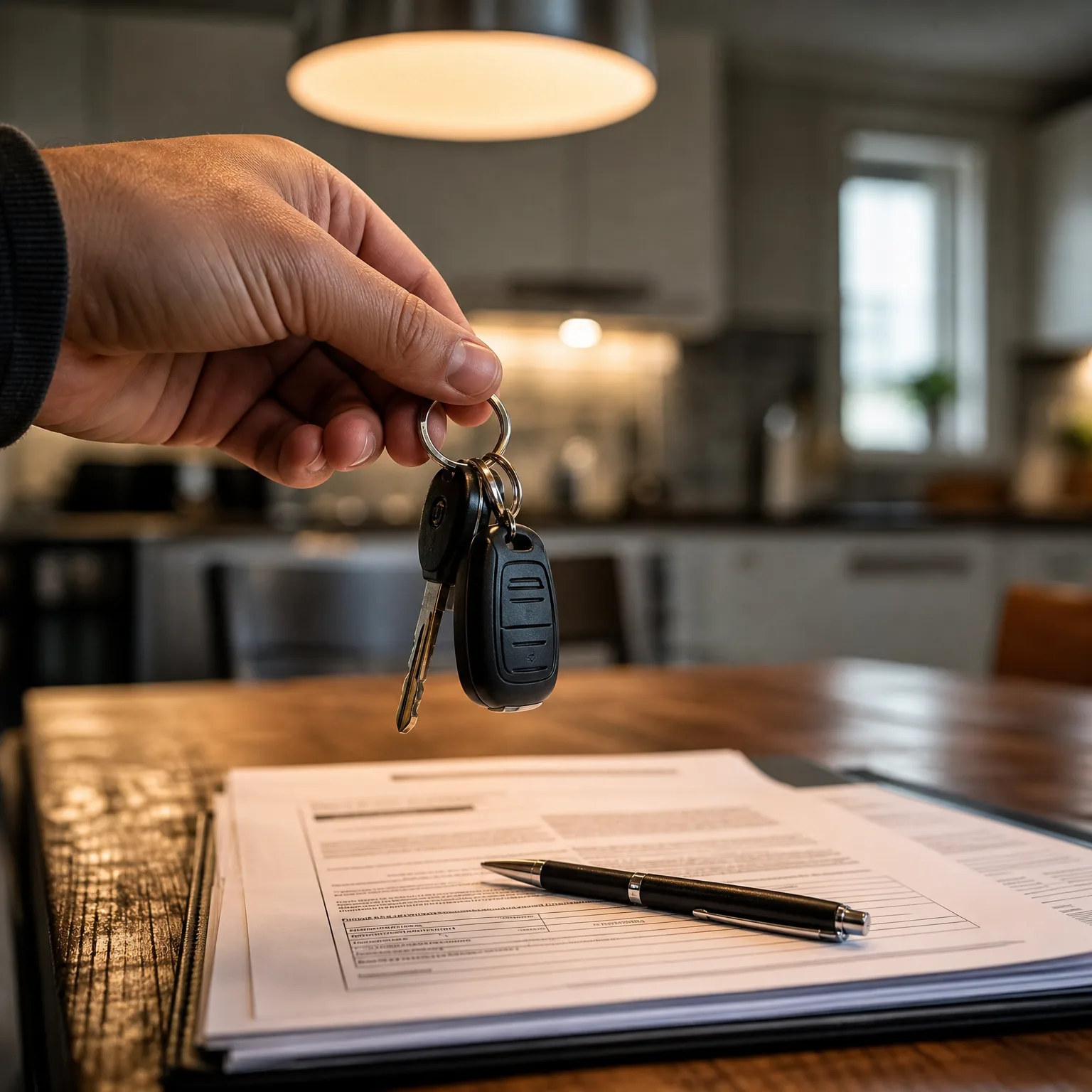
County DMV offices use the in-person visit to verify your identity against the suspension record, confirm SR-22 filing is active in their system, and check that all reinstatement conditions are satisfied. If your suspension involved DUI, they verify ignition interlock enrollment under HRS §291E-41. If it involved unpaid fines or court-ordered requirements, they check the court's clearance before proceeding.
You cannot skip this verification by submitting documents early. Hawaii's county offices do not issue licenses remotely even when all paperwork is complete. The visit also serves as the moment your new license is printed—most counties do not mail licenses after reinstatement.
Processing time varies by county. Honolulu typically handles same-day reinstatement if you arrive with all documents and no outstanding holds. Neighbor island counties may require appointments scheduled weeks out, especially during peak periods. Call your county's driver licensing division before traveling to confirm current wait times and whether an appointment is required.


What You Can Submit Before the Visit
Most counties allow you to submit proof of insurance, SR-22 certificates, and court clearance documents by mail or email before your in-person visit. This pre-submission does not replace the visit, but it allows the county to flag your file as ready for final processing when you arrive. Honolulu's online portal accepts document uploads for some reinstatement types; check their website for current capabilities.
Your insurance provider files SR-22 electronically with the state, but the county may take 3-5 business days to reflect that filing in their local system. Do not schedule your DMV visit until you confirm the SR-22 appears in the county's database. Call the driver licensing division and provide your license number—they can check their system over the phone.
If your suspension required completion of a driver education course or substance abuse program, bring the completion certificate in physical form. Counties do not always accept digital certificates, and the in-person visit is where they verify the certificate's authenticity. Missing this document extends your reinstatement by days or weeks depending on how quickly you can retrieve a replacement.
Why DUI Suspensions Add Ignition Interlock Verification
HRS §291E-41 mandates ignition interlock installation as a condition of any restricted license issued during a DUI suspension period. This is a statutory requirement—judges do not have discretion to waive it. Even if your suspension has ended and you are pursuing full reinstatement, the county may require proof that you completed the mandated interlock period before issuing a new license.
Your interlock provider submits compliance reports to the Administrative Driver's License Revocation Office (ADLRO), but county DMV offices verify this separately during reinstatement. Bring your interlock removal receipt and final compliance report to your visit. If the county's system does not show completed interlock enrollment, they will deny reinstatement even if all other conditions are satisfied.
Interlock violations during the restriction period complicate this further. If your provider flagged failed breath tests or tampering attempts, the ADLRO may have extended your suspension period without notifying the county immediately. Verify with ADLRO that your record is clear before scheduling your county DMV visit—otherwise you will be turned away and must reschedule after resolving the violation hold.

Have Your Proof of Insurance Ready to Reinstate
Get My Post-Reinstatement Quote
How SR-22 Filing Works Across Hawaii's County System
Your insurance provider files SR-22 electronically with the state, which then distributes the filing to the appropriate county based on your license record. This distribution is not instant—counties may lag 3-5 business days behind the state's central database. If you purchase post-reinstatement SR-22 insurance on Monday and schedule a county DMV visit for Tuesday, the filing will not appear in their system yet.
Counties do not accept paper SR-22 certificates as proof of filing. The electronic filing must be visible in their system before they will process reinstatement. Bringing a printed certificate from your insurer does not override this—it serves only as confirmation that your insurer initiated the filing. The county must see the record in their own database.
SR-22 filing duration varies by suspension cause. DUI suspensions typically require 3 years of continuous filing measured from reinstatement date. If your filing lapses because you cancel your policy or switch carriers without transferring SR-22, the county receives a cancellation notice and your license is re-suspended. This re-suspension is automatic—no hearing, no warning letter. You must restart the reinstatement process from the beginning, including paying a new $30 fee.

What to Bring to Your County DMV Appointment
Arrive with your current photo ID (passport, state ID card, or expired license if you still have it), proof of Social Security number (card or W-2), and two proofs of Hawaii residency dated within the past two months. Counties accept utility bills, bank statements, or lease agreements—documents must show your physical address, not a PO box.
If your suspension required court clearance, bring the court's signed release or proof-of-compliance letter on court letterhead. Counties do not call courts to verify verbally. If your suspension involved unpaid fines, bring receipts showing full payment—the court's release letter alone may not be sufficient if the county's system still shows an outstanding balance.
Bring $30 in cash or card for the reinstatement fee. Some county offices accept cards; others are cash-only. Call ahead to confirm. If your license has been expired for more than 90 days beyond the suspension period, you may also owe a late renewal fee separate from the reinstatement fee. This fee varies by how long the license sat expired—ask the county office when you call to schedule.
Why Non-Owner SR-22 May Be Your Only Option Post-Suspension
If you no longer own a vehicle or lost your car during the suspension period, most carriers will not write a standard auto policy until you purchase a vehicle. You need SR-22 filing to reinstate, but you cannot file SR-22 without an active insurance policy. Non-owner SR-22 solves this gap—it provides liability coverage when you drive borrowed or rental vehicles and satisfies Hawaii's SR-22 filing requirement without requiring vehicle ownership.
Non-owner policies cost less than standard auto insurance but still carry the SR-22 premium surcharge. Expect $60-$110/month depending on your suspension cause and driving history. The filing fee itself is typically $15-$25, charged once at policy inception. This policy does not cover a vehicle you own—if you purchase a car after reinstatement, you must switch to a standard policy and transfer the SR-22 filing.
Carriers writing non-owner SR-22 in Hawaii include Progressive, Geico, and National General. Not all agents offer non-owner policies—some captive agents cannot write them at all. If the first carrier you contact says they do not offer non-owner coverage, try a different provider rather than assuming it is unavailable. Independent agents are more likely to have access to non-owner products than captive agents tied to a single carrier.
Frequently Asked Questions
Can I mail my reinstatement documents to the Hawaii DMV instead of visiting in person?
You can mail or email some documents to your county's driver licensing division before your visit, but final verification and license issuance require an in-person appointment. Hawaii's county offices do not issue licenses remotely even when all paperwork is complete.
How long after my insurer files SR-22 does it show up in the county DMV system?
Counties typically reflect SR-22 filings 3-5 business days after your insurer submits them to the state. Call your county's driver licensing division and provide your license number to confirm the filing appears in their system before scheduling your reinstatement visit.
What happens if I reinstate my license on Oahu but then move to Maui?
Your license remains valid when you move between Hawaii counties—you do not need to reinstate again. If your SR-22 filing requirement is still active, notify your insurer of the address change so their records match the county database where your new address is registered.
Do I need an appointment at the county DMV or can I walk in for reinstatement?
Appointment policies vary by county. Honolulu typically accepts walk-ins for reinstatement but wait times can exceed two hours during peak periods. Neighbor island counties often require appointments scheduled in advance—call your county's driver licensing division to confirm current procedures.
Can I reinstate my license at any county DMV or only the one where I live?
You must reinstate through the county where your license is registered based on your residential address. If you live on Maui, Honolulu's office cannot process your reinstatement even if you happen to be visiting Oahu.
What if my SR-22 filing shows up in the state system but not in my county's database?
Wait an additional 2-3 business days and call the county again. If the filing still does not appear after 7 business days, contact your insurer to confirm they submitted it to Hawaii's central system—some out-of-state carriers file incorrectly and must resubmit.
Related Articles
Hawaii License Reinstatement Documents: What County DMV Accepts
5/18/2026

Hawaii License Reinstatement Fees and Timeline
5/18/2026

HI License Reinstatement: Course & Exam Requirements
5/18/2026

Cheapest Insurance to Reinstate Hawaii License
7/4/2026
Shopping Insurance After Hawaii License Reinstatement
5/18/2026

In-Person License Reinstatement Requirements by State
5/18/2026