
Nebraska License Reinstatement: Written and Road Test Requirements
Free to compare
Does Nebraska require a retest after license suspension?
Nebraska does not require a written or road retest for most license suspensions. Standard administrative suspensions for unpaid tickets, failure to appear, insurance lapses, or points accumulation typically reinstate without any testing requirement—you pay the $125 reinstatement fee, submit proof of insurance if required, and receive your license.
DUI-related revocations are the major exception. Nebraska law treats alcohol-related license losses as revocations rather than suspensions, and revocations lasting longer than one year trigger a mandatory knowledge test and driving skills test before reinstatement. First-offense DUI administrative revocations run 90 days and do not require retesting, but second and subsequent DUI revocations—or any DUI-related court-ordered revocation exceeding 12 months—mandate both exams.
Long-term medical suspensions also trigger retest requirements. If your license was suspended for a medical condition and the suspension lasted longer than one year, the DMV will require both a written and road test to verify your ability to drive safely. Short-term medical suspensions under 12 months reinstate without testing once your physician submits medical clearance documentation.
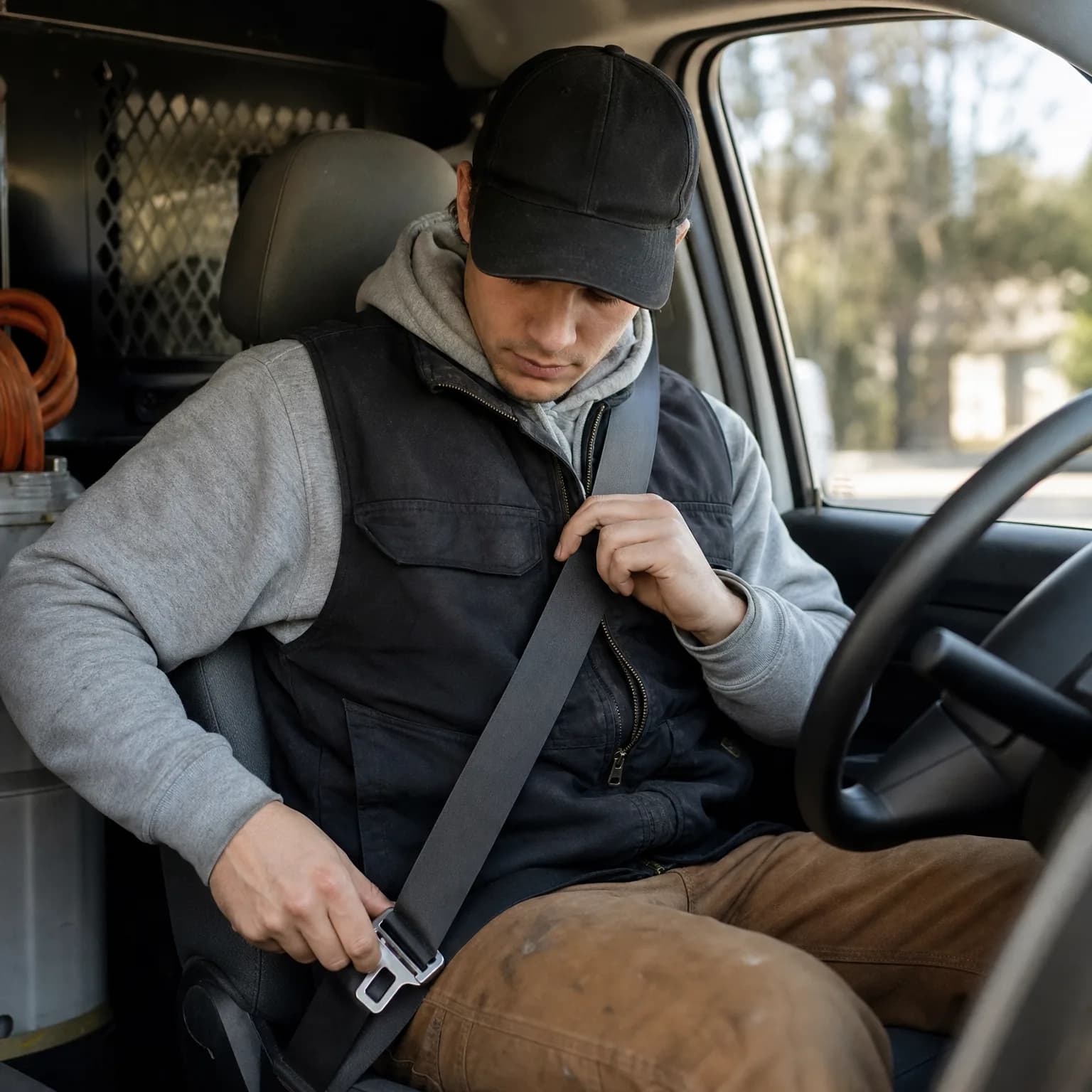
What happens during the Nebraska DMV written test for reinstatement?
The written knowledge test for reinstatement is identical to the test new drivers take. You'll answer 25 multiple-choice questions covering Nebraska traffic laws, road signs, safe driving practices, and right-of-way rules. You must score at least 80 percent (20 correct answers) to pass. The test is available in English and Spanish at all Nebraska DMV offices.
You can take the written test immediately when you appear for reinstatement—no appointment is required for the knowledge exam. If you fail, you can retake it the same day with no waiting period, but some DMV offices limit retests to two per day depending on office volume. Study materials are available free on the Nebraska DMV website, including the Nebraska Driver's Manual and practice tests.
The written test is administered on a computer at the DMV office. You'll receive your score immediately after completing the exam. If you pass, you proceed directly to scheduling your road test. If you fail twice in one day, you'll need to return on a different day to attempt again.
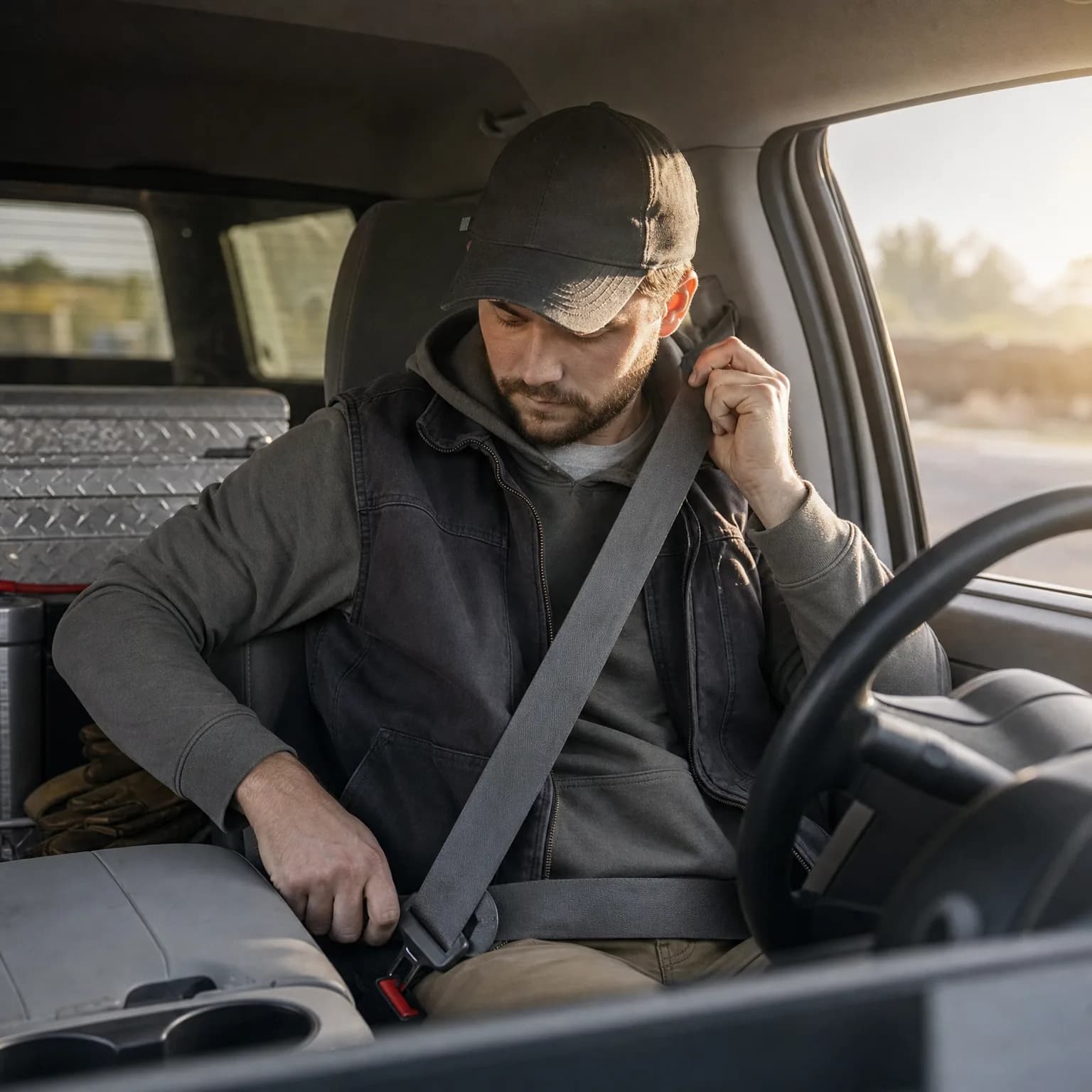
What does the Nebraska road test involve for license reinstatement?
The driving skills test evaluates your ability to control a vehicle, obey traffic laws, and respond to road conditions safely. You must provide your own vehicle for the test—it must be currently registered, insured, and in safe operating condition with working lights, signals, brakes, horn, and mirrors. The examiner will not conduct the test in a vehicle with dashboard warning lights illuminated or obvious safety defects.
The test typically lasts 20 to 30 minutes and covers basic maneuvers: parallel parking, backing, turning, lane changes, stopping at intersections, and obeying traffic signals and signs. The examiner rides in the passenger seat and scores your performance on a standardized checklist. Automatic failures include any traffic violation during the test, failure to yield right-of-way, excessive speed, or any action creating a dangerous situation.
You must schedule the road test in advance at most Nebraska DMV offices. Walk-in road tests are rarely available. If you fail the driving test, you can schedule a retest, but most offices impose a 7-day waiting period between attempts. Each retest requires a new scheduling appointment and may involve a retest fee depending on the office.

Have Your Proof of Insurance Ready to Reinstate
Get My Post-Reinstatement QuoteHow ignition interlock permits affect Nebraska retest requirements
Nebraska's Ignition Interlock Permit program allows DUI offenders to drive during their revocation period with an approved interlock device installed. The IIP does not eliminate retest requirements for long-term revocations. If your underlying DUI revocation period exceeds one year, you will still face both written and road tests when the IIP period ends and you apply for full license reinstatement.
The IIP itself requires no testing to obtain. You apply through the DMV, pay the permit fee, arrange interlock installation with a state-certified vendor, and submit SR-22 proof of insurance. First-offense DUI drivers face a mandatory 60-day hard suspension before becoming eligible for the IIP. During the IIP period, you can drive only with the interlock device active—no exceptions.
When your IIP period concludes and you apply for full license restoration, the DMV evaluates your total revocation length. If the original court-ordered revocation was less than one year, reinstatement proceeds without retesting. If the revocation exceeded 12 months, you must pass both the written and road tests even if you completed the entire period on an IIP without violations.

How SR-22 filing interacts with Nebraska reinstatement testing
SR-22 insurance filing is a separate requirement from retest mandates. DUI revocations, uninsured driving suspensions, and certain serious violations require you to maintain continuous SR-22 coverage for a period determined by the court or DMV—typically three years for DUI cases. You must have the SR-22 filing active before the DMV will process your reinstatement application, but the filing itself does not trigger or eliminate testing requirements.
The SR-22 certificate proves you carry at least Nebraska's minimum liability coverage: $25,000 bodily injury per person, $50,000 per accident, and $25,000 property damage. Your insurance carrier electronically files the SR-22 with the Nebraska DMV. You pay both the underlying insurance premium and a filing fee—typically $25 to $50 depending on the carrier.
If your reinstatement requires both SR-22 filing and retesting, you must complete the tests and pay the reinstatement fee before driving legally, but most carriers will issue the SR-22 policy before your reinstatement is finalized. The SR-22 filing date often controls when your revocation period officially ends, so arranging coverage several days before your scheduled reinstatement appointment ensures no processing delays.

What to bring to your Nebraska reinstatement appointment
For reinstatements requiring retesting, arrive at the DMV with your current identification, proof of Social Security number, proof of Nebraska residency, the $125 reinstatement fee, and SR-22 proof of insurance if required for your suspension cause. Accepted payment methods vary by office—most accept cash, check, money order, and debit cards, but few accept credit cards. Call your local DMV office before your appointment to confirm accepted payment types.
If you need to take the road test, bring a registered, insured vehicle in safe operating condition. The vehicle must display current license plates. You cannot use a rental car unless you provide written authorization from the rental company allowing the vehicle to be used for a DMV driving test. Most rental agreements prohibit DMV testing.
The entire reinstatement process—including both tests if required—typically takes two to three hours at the DMV office. Processing times vary by office volume and time of day. Early morning appointments on weekdays typically move faster than midday or late afternoon slots. If you pass both tests and submit all required documentation, you'll receive your reinstated license the same day at most Nebraska DMV locations.
Frequently Asked Questions
Do I need to retake the written test if I had a DUI in Nebraska?
You must retake the written test only if your DUI-related revocation lasted longer than one year. First-offense DUI administrative revocations run 90 days and do not require retesting. Second or subsequent DUI revocations—or any court-ordered DUI revocation exceeding 12 months—mandate both the written knowledge test and driving skills test before reinstatement.
Can I skip the road test if I completed an ignition interlock permit period in Nebraska?
No. Completing an Ignition Interlock Permit period does not eliminate retest requirements. If your underlying DUI revocation exceeded one year, you must pass both the written and road tests when the IIP period ends and you apply for full license restoration, even if you had no violations during the IIP period.
How long does the Nebraska DMV road test take for license reinstatement?
The driving skills test lasts 20 to 30 minutes and covers parallel parking, backing, turning, lane changes, stopping at intersections, and obeying traffic signals. You must provide your own registered, insured vehicle in safe operating condition. Automatic failures include any traffic violation, failure to yield, or dangerous driving during the test.
What happens if I fail the Nebraska reinstatement road test?
You can schedule a retest, but most Nebraska DMV offices impose a 7-day waiting period between road test attempts. Each retest requires a new appointment and may involve a retest fee depending on the office. You cannot drive legally until you pass the road test and complete the full reinstatement process.
Does Nebraska require a medical exam before reinstatement after a long suspension?
Nebraska requires physician medical clearance documentation for license suspensions caused by medical conditions, but does not require a separate DMV medical exam. If your medical suspension lasted longer than one year, you must pass both the written and road tests in addition to submitting medical clearance before reinstatement.
Can I take the Nebraska reinstatement written test online?
No. Nebraska requires all reinstatement-related written and road tests to be completed in person at a DMV office. The written test is administered on a computer at the office, and you receive your score immediately. You can study using online practice tests, but the official exam must be taken at the DMV.
Related Articles

ND License Reinstatement: Written or Road Retest?
5/18/2026

Nebraska License Reinstatement: Fee, Steps & Permits
5/18/2026

Nebraska Reinstatement Fee Tier by Suspension Cause
5/18/2026

Does Every State Require a Retest at Reinstatement?
5/18/2026

DC License Reinstatement: Written & Road Retest Rules
5/18/2026

Vermont Reinstatement Retest: Written, Road, or Both?
5/18/2026