
Minnesota DMV Visit for License Reinstatement: What Happens
Free to compare
What Minnesota's In-Person Reinstatement Requirement Actually Means
Minnesota Driver and Vehicle Services requires an in-person visit for most license reinstatements, but the visit's purpose varies by what triggered your suspension. If you're reinstating after a DWI revocation, you'll take a DWI-specific knowledge test at the counter — this is distinct from the standard written exam and covers Minnesota's implied consent law, BAC thresholds, and administrative license revocation procedures under Minn. Stat. § 169A.52. If your suspension was administrative (uninsured driving, lapse in no-fault coverage), the DVS agent verifies your current insurance meets Minnesota's no-fault requirements before processing reinstatement.
The $30 base reinstatement fee applies to most suspensions, but DWI cases pay $680 for a first offense, $910 for a second, and $1,230 for third or subsequent offenses per Minn. Stat. § 171.29 subd. 2. You pay at the counter after the agent confirms all prerequisite conditions are satisfied — unpaid tickets cleared, SR-22 filing active if required, chemical dependency evaluation completed for DWI cases, and any court-ordered programs finished.
Processing happens the same day if all documents are in order. The agent issues a temporary paper license valid for 30 days while your permanent credential is mailed. If any requirement is missing, the agent cannot complete reinstatement and you leave without driving privileges restored.
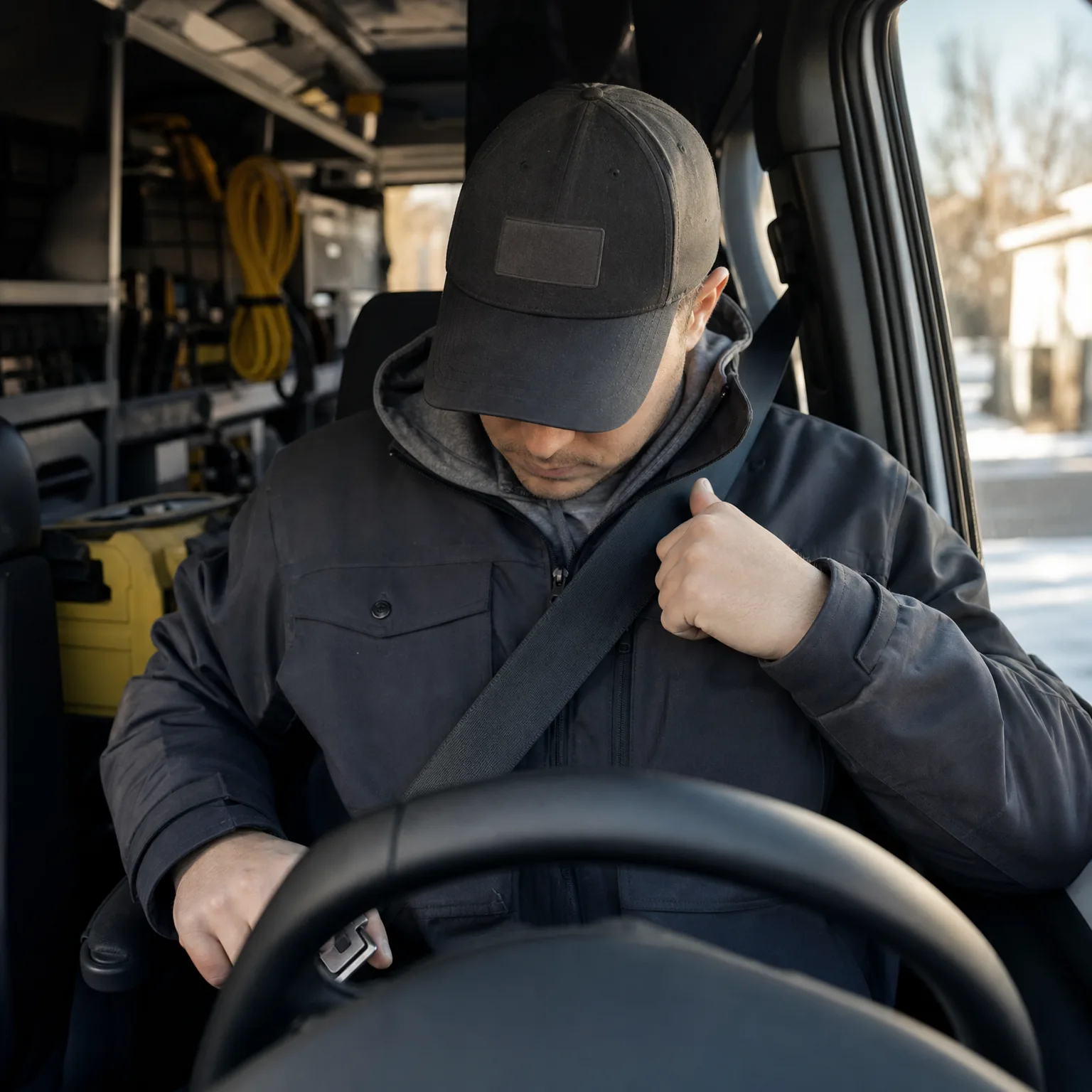
Documents You Must Bring to the DVS Reinstatement Counter
The document stack varies by suspension cause. For DWI revocations, bring proof of chemical dependency evaluation completion, certificates for any court-ordered treatment programs, SR-22 certificate of financial responsibility from your insurer, and a receipt showing payment of all court fines and surcharges. The DVS agent cross-references these against Department of Public Safety records before allowing you to take the DWI knowledge test.
For administrative suspensions (uninsured driving, no-fault coverage lapse), bring your current insurance card showing Minnesota no-fault compliant coverage with at least $30,000/$60,000/$10,000 liability and $40,000 Personal Injury Protection per Minn. Stat. § 65B.48. If SR-22 filing is required for your case, the agent verifies the filing is active in the state's electronic insurance verification system before processing reinstatement. Paper SR-22 certificates are not accepted — the filing must already be in the DVS system, typically taking 24-48 hours from when your insurer submits it.
Bring your original suspension notice or revocation order if you have it. The DVS agent uses this to confirm the suspension period has been fully served and no additional hold codes exist on your record. If your suspension involved multiple violations, all suspension periods must be served consecutively before reinstatement is available.


What Happens During the Reinstatement Appointment
The DVS agent pulls your driving record and reviews all suspension codes, court-ordered conditions, and insurance verification flags. If your case requires SR-22 filing, the agent confirms the filing is active and shows the correct policy effective date. Minnesota's electronic insurance verification system updates within 24-48 hours of insurer submission, but weekend filings may not appear until the following business day — if the system shows no active filing, reinstatement is denied and you'll need to return once the filing appears.
For DWI cases, the agent hands you the DWI Knowledge Test after confirming all documents are complete. The test covers Minnesota-specific alcohol law, implied consent consequences, administrative license revocation procedures, and ignition interlock requirements under Minn. Stat. § 171.306. Most agents allow you to take the test at a kiosk in the office; failing requires retaking on a future visit with an additional retest fee. This is not the standard driver knowledge test — study materials are available on the DVS website under DWI reinstatement resources.
Once all conditions are verified and any required test is passed, the agent processes payment and issues your temporary license. If your original suspension was DWI-related and you're required to use an ignition interlock device, the temporary license includes an interlock restriction code — you cannot legally drive any vehicle without an approved device installed. The restriction remains active for the duration specified in your court order, typically one to six years depending on offense count.
Why Reinstatement Visits Get Denied at the Counter
The most common denial: SR-22 filing not yet active in the DVS system. Your insurer submits the filing electronically, but the state's verification system lags by 24-48 hours. If you arrive at DVS the same day your insurer files, the agent will see no active SR-22 and cannot process reinstatement. Wait two business days after your insurer confirms filing before scheduling your DVS visit.
Second most common: unpaid fines or court costs still showing as outstanding. Even if you paid the court directly, the payment may not have transmitted to DVS records yet. Bring a stamped receipt from the court showing payment in full and the date. The DVS agent can override the hold code with proof of payment, but without the receipt you'll be turned away.
For DWI cases, missing chemical dependency evaluation documentation stops reinstatement immediately. Minnesota requires a clinical evaluation (not a standard defensive driving course) and completion of any recommended treatment before reinstatement eligibility begins. The evaluating agency must submit proof of completion to DVS, but this transmission can take weeks. If your record shows evaluation ordered but not completed, the agent cannot proceed regardless of what other documents you bring. Confirm with the treatment provider that completion records were transmitted to DVS and allow five business days for processing.

Have Your Proof of Insurance Ready to Reinstate
Get My Post-Reinstatement Quote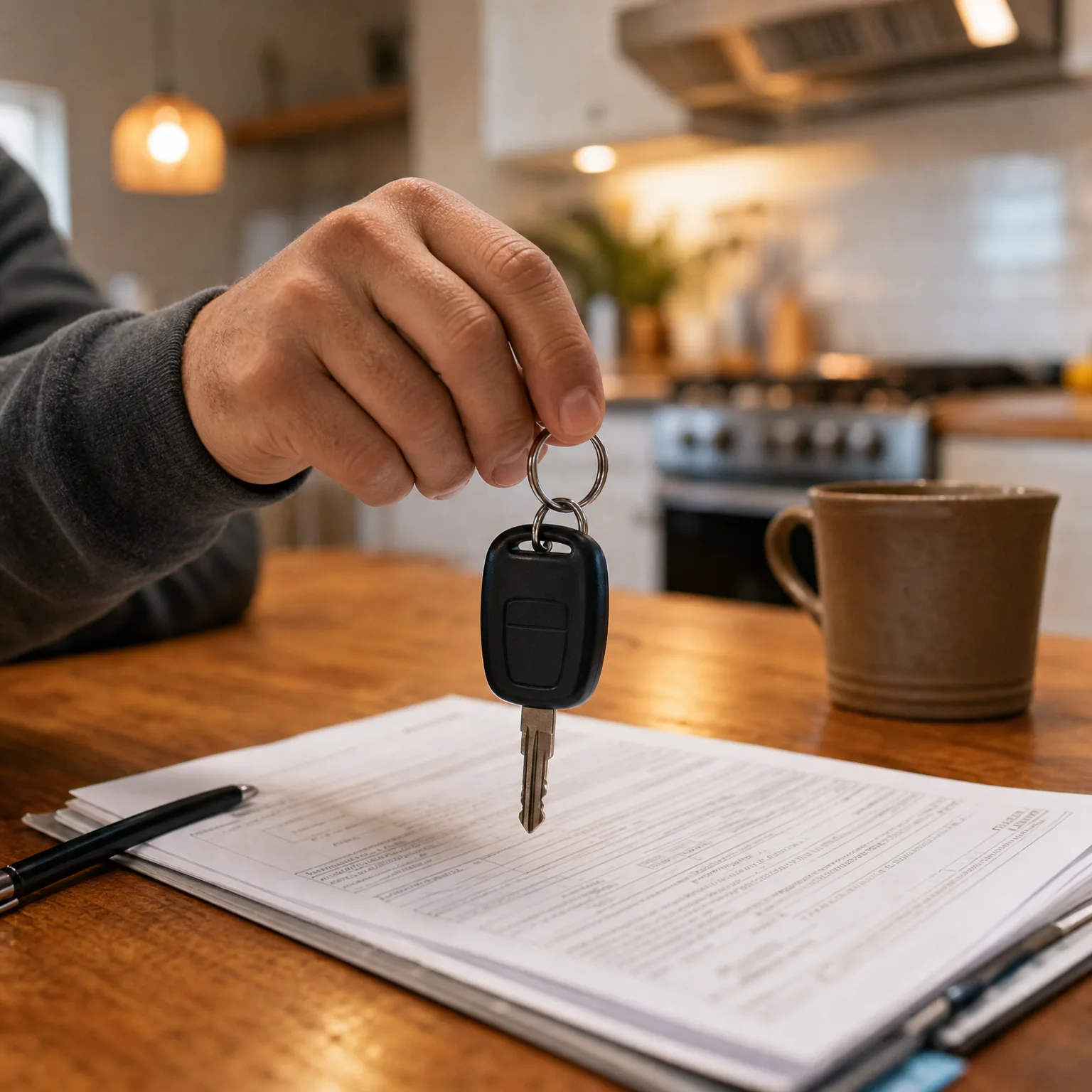
Setting Up Insurance Before Your Reinstatement Visit
SR-22 filing must be active in the DVS system before your reinstatement appointment. Call your insurer three business days before your planned DVS visit and confirm the SR-22 was filed electronically and the state confirmation code was received. Most standard carriers (State Farm, GEICO, Progressive) write post-reinstatement SR-22 policies for DWI cases, but expect premium increases of 60-90% over pre-suspension rates for the first year.
If you don't currently own a vehicle, you still need insurance to complete reinstatement in most suspension cases. Non-owner SR-22 policies provide liability coverage and satisfy Minnesota's filing requirement without insuring a specific vehicle. These policies cost approximately $30-$50/month plus the SR-22 filing fee, significantly less than standard auto policies. Non-owner coverage is valid for any vehicle you drive with the owner's permission, making it the practical choice if you'll borrow or rent vehicles during your filing period.
Minnesota requires both liability and Personal Injury Protection coverage. Standard carriers write compliant policies automatically, but verify your policy includes at least $40,000 PIP if you're working with a non-standard carrier. PIP lapses trigger immediate registration cancellation under Minn. Stat. § 65B.48, and driving with cancelled registration creates a new suspension exposure even if your original suspension is fully resolved.

How Long SR-22 Filing Lasts After Reinstatement
DWI cases typically require three years of continuous SR-22 filing from the reinstatement date, not the conviction date. If your license was revoked for one year and you wait an additional six months before reinstating, the three-year SR-22 clock starts when you complete reinstatement, not when the revocation period ended. Let the filing lapse before the required period ends and DVS suspends your license again immediately.
Uninsured driving suspensions usually require one to two years of SR-22 filing depending on whether the suspension was a first or repeat offense. Points-related suspensions sometimes require SR-22 and sometimes don't — the suspension notice from DVS specifies filing duration when required. If your suspension involved multiple causes (DWI plus uninsured driving, for example), the longer filing period applies and both periods run concurrently, not consecutively.
Your insurer must notify DVS if you cancel your policy or let it lapse during the required filing period. Minnesota's electronic insurance verification system flags lapses within 48 hours and DVS mails a suspension notice immediately. Most drivers don't realize the SR-22 filing period continues even if you stop driving — parking your car and canceling insurance to save money triggers suspension if you're still within the required filing window. Maintain continuous coverage for the full period or face a new suspension and a new reinstatement cycle.
What Happens If You Miss Your Required Filing Period
Let your SR-22 filing lapse during the required period and DVS suspends your license again without a hearing. The suspension remains active until you file new SR-22 coverage and pay another reinstatement fee. The original filing period does not pause — if you were required to maintain SR-22 for three years and you let it lapse after 18 months, you owe the remaining 18 months plus any additional suspension time DVS imposes for the lapse itself.
Most carriers allow you to reinstate a lapsed policy within 30 days without reapplying, but reinstatement is not automatic and premium increases of 20-40% are common after a lapse. If you miss the reinstatement window, you'll need to shop for a new policy as a lapsed-coverage driver. Non-standard carriers (The General, Bristol West, Dairyland) write lapsed-SR-22 cases but expect monthly premiums of $140-$190 for liability-only coverage.
The lapse creates a second suspension on your driving record separate from the original suspension that triggered the SR-22 requirement. Even after you satisfy the original SR-22 period, the lapse-triggered suspension remains visible to insurers for three years and affects your risk tier. Avoid this by setting a calendar reminder six months before your SR-22 end date and confirming with your insurer that the filing will remain active through the full required period.
Frequently Asked Questions
Can I complete Minnesota license reinstatement online or does it have to be in person?
Minnesota requires an in-person DVS visit for most reinstatements. DWI cases require a special knowledge test administered at the counter. Administrative suspensions require insurance verification that happens during the appointment. Online reinstatement is not available for suspension cases requiring SR-22 filing or court-ordered conditions.
How long does the Minnesota DVS reinstatement appointment take?
Expect 30-60 minutes at the DVS office if all documents are complete. The agent reviews your driving record, verifies insurance and SR-22 filing if required, confirms all court-ordered conditions are satisfied, and processes payment. DWI cases add 15-20 minutes for the knowledge test. If any document is missing, you leave without reinstatement and must return another day.
What happens if my SR-22 filing doesn't show up in the Minnesota DVS system yet?
The DVS agent cannot process reinstatement until the SR-22 filing appears in the state's electronic verification system. Filings typically appear 24-48 hours after your insurer submits them electronically. Wait two full business days after your insurer confirms filing before scheduling your DVS appointment. Arriving too early results in a denied reinstatement and a wasted trip.
Do I need to retake the driving test for Minnesota license reinstatement?
DWI revocations require a special DWI Knowledge Test at reinstatement covering Minnesota alcohol law and implied consent procedures under Minn. Stat. § 169A.52. This is distinct from the standard written test. Most other suspension types do not require retesting unless your license was revoked for more than three years or you have specific medical restrictions.
Can I drive immediately after my Minnesota reinstatement appointment?
Yes, if all conditions are satisfied. The DVS agent issues a temporary paper license valid for 30 days while your permanent credential is mailed. If your case requires ignition interlock, the temporary license includes the interlock restriction code and you cannot legally drive any vehicle without an approved device installed.
What if I paid my court fines but they still show as unpaid at DVS?
Bring a stamped receipt from the court showing payment in full and the date. The DVS agent can override the hold code with proof of payment. Court payment systems and DVS records don't always sync immediately. Without the receipt, the agent cannot process reinstatement even if you actually paid.
How much does Minnesota license reinstatement cost after a DWI?
DWI reinstatement fees are $680 for a first offense, $910 for a second offense, and $1,230 for third or subsequent offenses under Minn. Stat. § 171.29. This is separate from court fines and SR-22 insurance costs. The base $30 reinstatement fee applies to most non-DWI suspensions.
Related Articles

MN License Reinstatement Fees and Process Explained
5/18/2026

MN License Reinstatement: When Course & Exam Apply
5/18/2026

MN License Reinstatement Timeline by Suspension Cause
5/18/2026
Reinstate License Without DMV Visit: Mail & Online
5/18/2026
In-Person License Reinstatement Requirements by State
5/18/2026

When DMV In-Person Reinstatement Is Required by Cause
5/18/2026