
Oklahoma Reinstatement Course Requirements: Defensive Driving, Alcohol Ed, or Traffic School
Free to compare
Does Oklahoma Require a Course Before License Reinstatement?
Oklahoma Department of Public Safety does not impose a blanket defensive driving or traffic school requirement for all license reinstatements. The $125 administrative reinstatement fee and proof of insurance (SR-22 in most cases) are the baseline requirements. Whether you need a course depends on the specific suspension cause and whether a court or DPS administrative order attached a completion requirement.
DUI suspensions are the primary exception. Oklahoma's Egan's Law framework mandates a DUI Assessment through an approved assessment agency before full driving privileges return. The assessment determines whether you'll complete Victim Impact Panels, Alcohol and Drug Substance Abuse Program (ADSAP), or both. These are not optional—they're statutory conditions tied to the revocation period.
For non-DUI suspensions (points accumulation, uninsured motorist violations, unpaid fines, failure-to-appear), Oklahoma typically does not mandate a course unless your sentencing judge explicitly ordered one as a condition of probation or deferred judgment. Check your court order line by line. If it says "complete defensive driving course within 90 days," that's your requirement—not a DPS rule.

DUI-Triggered Course Requirements: ADSAP and Victim Impact Panels
Oklahoma DUI revocations require completion of the Alcohol and Drug Substance Abuse Program (ADSAP), administered by the Oklahoma Department of Mental Health and Substance Abuse Services. ADSAP is not a single class—it's a multi-week assessment and education process. You attend sessions, complete a clinical evaluation, and follow the treatment plan the evaluator assigns.
First-offense DUI drivers typically complete a 10-hour ADSAP education track. Second or subsequent offenses trigger more intensive outpatient treatment requirements, sometimes 24 or 40 hours depending on assessment findings. Victim Impact Panels are often required in addition to ADSAP—these are single-session programs where DUI survivors share their stories.
Completion certificates from ADSAP and Victim Impact Panels must be submitted to DPS before your Modified Driver License (hardship) or full license can be issued. Missing these blocks reinstatement regardless of fee payment or SR-22 filing. ADSAP providers report completion electronically to DPS in most cases, but verify receipt with Driver License Services before assuming you're clear.

When Court Orders Override DPS Default Requirements
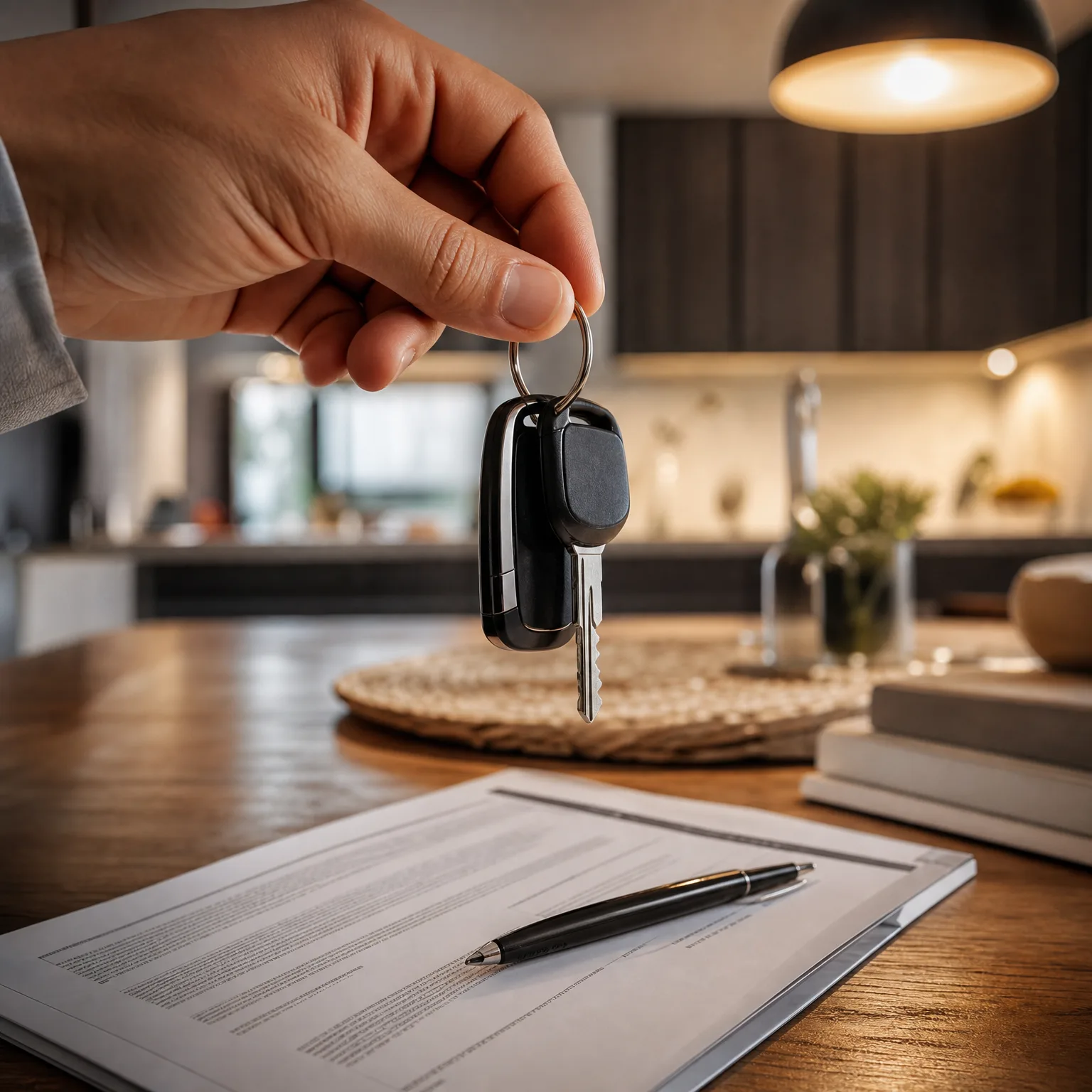
Oklahoma district courts can impose defensive driving or traffic school as a sentencing condition for any traffic conviction, even when DPS rules don't require it. If your conviction order includes "complete defensive driving course within 90 days and provide proof to the court," that's a court-mandated condition separate from DPS administrative requirements.
Court-ordered courses must be completed through a provider approved by your sentencing court—not just any online traffic school. Oklahoma courts maintain approved provider lists, usually available through the court clerk's office. Completion certificates go to the court first. The court then releases a compliance letter you'll need to show DPS when reinstating.
Failure to complete a court-ordered course can result in probation violation proceedings, additional fines, or extension of your suspension. DPS won't lift the suspension until the court confirms compliance, even if you've paid the reinstatement fee and filed SR-22. Always check your sentencing paperwork before calling DPS—the court order governs what you owe.
What Counts as an Approved Course Provider in Oklahoma
For DUI-related requirements, only ADSAP providers certified by the Oklahoma Department of Mental Health and Substance Abuse Services are acceptable. DPS maintains a statewide directory of approved ADSAP agencies. Completion through a non-certified provider—including out-of-state online DUI programs—will not satisfy Oklahoma's statutory requirement.
For court-ordered defensive driving, the sentencing judge's order typically specifies whether online completion is acceptable or whether in-person attendance is mandatory. Oklahoma courts recognize National Safety Council defensive driving courses and Oklahoma Traffic Safety Education Association providers. If your order is silent on format, confirm with the court clerk before enrolling—some judges reject online certificates.
Out-of-state course completion rarely transfers. If you completed ADSAP or defensive driving in another state during your Oklahoma suspension, expect DPS to require Oklahoma-specific completion. The exception: military service members stationed out of state may petition for reciprocity, but approval is case-by-case.

Have Your Proof of Insurance Ready to Reinstate
Get My Post-Reinstatement Quote
How Course Completion Affects Your Modified License Eligibility
Oklahoma's Modified Driver License (hardship license) for DUI suspensions requires ignition interlock installation and ADSAP enrollment, but not necessarily ADSAP completion before the modified license issues. You can begin ADSAP while holding a Modified License—completion is required before full unrestricted license restoration.
The 30-day hard suspension period under Egan's Law must pass before any modified license application is considered. After 30 days, you can apply for the Modified License by showing proof of ADSAP enrollment (not completion), SR-22 filing, ignition interlock installation by a DPS-certified provider, and payment of the modified license fee. Full reinstatement after the revocation period ends requires ADSAP completion and Victim Impact Panel attendance.
For non-DUI suspensions eligible for hardship relief (points, uninsured), course completion is not a modified license prerequisite unless a court order explicitly requires it. Most indigent hardship petitions approved by DPS or district court focus on proof of employment, essential travel need, and SR-22 compliance—not educational program enrollment.

What Happens If You Skip a Required Course
Skipping a DPS-mandated ADSAP requirement blocks reinstatement indefinitely. Your suspension end date passes, but your license remains revoked until you complete the program and DPS receives the certificate. No exceptions. You'll continue accruing days without valid driving privileges, which can complicate future violations if you're caught driving.
Skipping a court-ordered defensive driving course triggers probation violation proceedings if your conviction included deferred judgment or probation terms. The court can issue a bench warrant, extend your probation, or convert a deferred sentence to a conviction. DPS won't process your reinstatement until the court clears the compliance hold.
If you miss two consecutive ADSAP sessions after receiving a Modified License, DPS can revoke the hardship license immediately. You'll return to full suspension status and lose interlock-restricted driving privileges. ADSAP providers report attendance lapses directly to DPS—there's no grace period.
Getting Insurance Set Up Correctly After Course Completion
Once your course requirements are satisfied and your reinstatement date arrives, SR-22 filing becomes the immediate gating item. Oklahoma requires 3 years of continuous SR-22 coverage for DUI suspensions, measured from the filing date. The filing must be active before DPS will issue your reinstated license.
Most standard carriers won't write recently-suspended drivers. Non-standard auto carriers like Bristol West, The General, and GAINSCO write Oklahoma SR-22 policies for post-suspension drivers. Expect monthly premiums in the $140–$190 range for liability-only coverage during the first year. Filing fees run $15–$50 depending on carrier.
If you lost your vehicle during the suspension or don't currently own one, non-owner SR-22 policies satisfy the filing requirement while keeping you legal to drive borrowed or rental vehicles. Non-owner premiums are typically lower than standard policies—around $60–$100/month—but provide no coverage for a vehicle you own or regularly use.
Frequently Asked Questions
Can I complete ADSAP online in Oklahoma?
Oklahoma ADSAP providers offer some remote attendance options for education sessions, but the initial clinical assessment must be conducted in person or via approved telehealth by a certified evaluator. Fully online out-of-state programs do not satisfy Oklahoma's ADSAP requirement. Verify your assigned provider's format before enrolling.
How much does ADSAP cost in Oklahoma?
Oklahoma ADSAP fees range from $150 to $400 depending on the assessment outcome and treatment track assigned. First-offense education-only tracks cost less than multi-week outpatient programs for repeat offenses. Victim Impact Panel fees are typically $25–$75 per session. Payment plans are available through most providers.
Does completing defensive driving reduce my SR-22 filing period?
No. Oklahoma's 3-year SR-22 filing requirement for DUI suspensions is statutory and cannot be shortened by completing additional courses beyond what DPS or the court mandates. The filing period runs from your SR-22 submission date, not your suspension end date or course completion date.
What if I completed ADSAP in another state before moving to Oklahoma?
Oklahoma DPS does not recognize out-of-state ADSAP completion for Oklahoma-issued DUI suspensions. If your revocation originated in Oklahoma, you must complete Oklahoma-certified ADSAP even if you finished a similar program elsewhere. Military service members may petition for reciprocity, but approval is discretionary.
Can I get a Modified License before finishing ADSAP?
Yes, if you're past the 30-day hard suspension period. Oklahoma allows Modified License issuance with proof of ADSAP enrollment (not completion), ignition interlock installation, and SR-22 filing. Full unrestricted license restoration after the revocation period requires ADSAP completion and Victim Impact Panel attendance.
How long does it take DPS to process reinstatement after I submit course certificates?
Oklahoma DPS typically processes reinstatement applications within 5–10 business days after receiving all required documentation, including ADSAP completion certificates, SR-22 proof, and payment of the $125 reinstatement fee. ADSAP providers usually report completion electronically, but verify receipt with DPS before assuming clearance.
Related Articles

Oklahoma License Reinstatement Course & Exam Rules
5/18/2026

Oklahoma License Reinstatement Fees and Process
5/18/2026

Oklahoma License Reinstatement Fees by Cause
5/18/2026

Reinstatement Course Requirements by State
5/18/2026

Kansas Reinstatement Course Requirements Explained
5/18/2026
Oregon Reinstatement Course & Retest Requirements
5/18/2026