
SC License Reinstatement Timeline: Eligibility to Card in Hand
Free to compare
Why Your Reinstatement Date Isn't Your Driving Date
Your eligibility date is when you're legally allowed to apply for reinstatement. Your actual driving date is when SCDMV processes your application, issues a new credential, and your SR-22 filing shows active in the state's Insurance Verification System. Most South Carolina drivers lose 10-14 days in this gap because they submit reinstatement paperwork before their SR-22 filing registers electronically with SCDMV.
The $100 base reinstatement fee payment processes immediately. ADSAP completion (required for DUI-related suspensions) can be verified same-day if your provider reports electronically. But SR-22 filings take 2-5 business days to appear in SCDMV's system after your carrier submits them. If you walk into a DMV branch on your eligibility date without an active SR-22 already on file, you'll be sent home to wait.
SCDMV's processing timeline is 5-7 business days after all conditions show satisfied in their system. That means ignition interlock installation confirmation uploaded, ADSAP certificate on file, SR-22 filing active, and reinstatement fee posted. The card-in-hand timeline starts from the last item that clears, not from your eligibility date.

The SR-22 Filing Window That Trips Up Most Applicants
South Carolina requires SR-22 proof of insurance for DUI suspensions, uninsured motorist violations, and certain other high-risk triggers. The filing itself is an electronic certificate your carrier submits to SCDMV certifying you carry at least the state's minimum liability coverage: $25,000 per person / $50,000 per accident for bodily injury, $25,000 for property damage.
Carriers submit SR-22 filings electronically within 24-48 hours of policy purchase, but SCDMV's Insurance Verification System updates on a batch schedule. Filings submitted Friday afternoon may not show active until Tuesday. Filings submitted during a state holiday week can take a full 5 business days to register. The carrier's confirmation email is not proof the filing is active in SCDMV's system — only the DMV can confirm that.
If your suspension was for DUI, you need the SR-22 filing active at least 3 business days before your planned reinstatement visit. If your suspension was for uninsured driving, the same rule applies. Drivers who wait until their eligibility date to shop for coverage routinely miss their target reinstatement date by two weeks because they didn't account for the filing lag.


Route Restricted License Holders: Your Reinstatement Is Different
If you've been driving on a Route Restricted License during your suspension, your reinstatement process includes an additional conversion step. The Route Restricted License doesn't automatically upgrade to a full unrestricted license on your eligibility date — you must apply for full reinstatement and surrender the restricted credential.
SCDMV charges the $100 reinstatement fee even if you've been driving legally on a Route Restricted License for months. That fee is for restoring unrestricted driving privileges, not for the restricted license you already held. If you had an ignition interlock device installed as a condition of the Route Restricted License, SCDMV must verify removal or confirm the device is no longer required before issuing an unrestricted license.
The SR-22 filing that supported your Route Restricted License remains active during the conversion, so you won't face the same filing-lag issue as someone reinstating from a hard suspension. But if your carrier lapsed during the restricted period, you'll need a new SR-22 filing and the same 2-5 day wait for it to register before SCDMV processes full reinstatement.
What Happens If You Have Multiple Active Suspensions
South Carolina assesses a separate $100 reinstatement fee per suspension. If your record shows an unresolved DUI suspension and a separate suspension for insurance lapse, you owe $200 in reinstatement fees. If you accumulated points during a DUI suspension and triggered a second administrative suspension, both must be resolved before SCDMV reinstates you.
Each suspension has its own eligibility date, its own set of reinstatement conditions, and its own fee. SCDMV will not process reinstatement until every active suspension on your record shows all conditions satisfied. This is where most stacked-suspension cases fail: the driver clears the DUI conditions but forgets the points suspension required a defensive driving course, or clears the insurance lapse but never paid the outstanding fines that triggered a third suspension.
Check your driving record through SCDMV before applying for reinstatement. The record will list every active suspension, the trigger for each, and the specific conditions required for clearance. If you're unclear which conditions apply to which suspension, call SCDMV's reinstatement unit at 803-896-5000 before paying any fees. Once fees are paid, they are not refundable even if your application is denied due to an unresolved condition.

Have Your Proof of Insurance Ready to Reinstate
Get My Post-Reinstatement Quote
ADSAP Completion and Ignition Interlock Removal Timing
DUI-related suspensions in South Carolina require completion of ADSAP (Alcohol and Drug Safety Action Program) before reinstatement. ADSAP is a state-specific program, not the same as generic DUI school. The program includes assessment, education classes, and follow-up sessions. Total duration varies by your assessment outcome but typically runs 8-20 weeks.
ADSAP providers report completion to SCDMV electronically, but not all providers report immediately. Some batch-report weekly. If you complete your final ADSAP session on a Wednesday, the completion certificate may not appear in SCDMV's system until the following Monday. Ask your ADSAP provider when they report completions to the state and plan your reinstatement visit accordingly.
If your suspension required an ignition interlock device, South Carolina mandates IID installation as a condition of any restricted driving privilege under Emma's Law. Removal requires SCDMV approval. You cannot remove the device, then apply for reinstatement — SCDMV must confirm the device is no longer required before removal, or verify removal was authorized if your suspension period has ended. The IID provider submits a removal confirmation to SCDMV electronically. Like SR-22 filings, these confirmations take 2-4 business days to register in the system.
In-Person vs Mail Reinstatement and Processing Differences
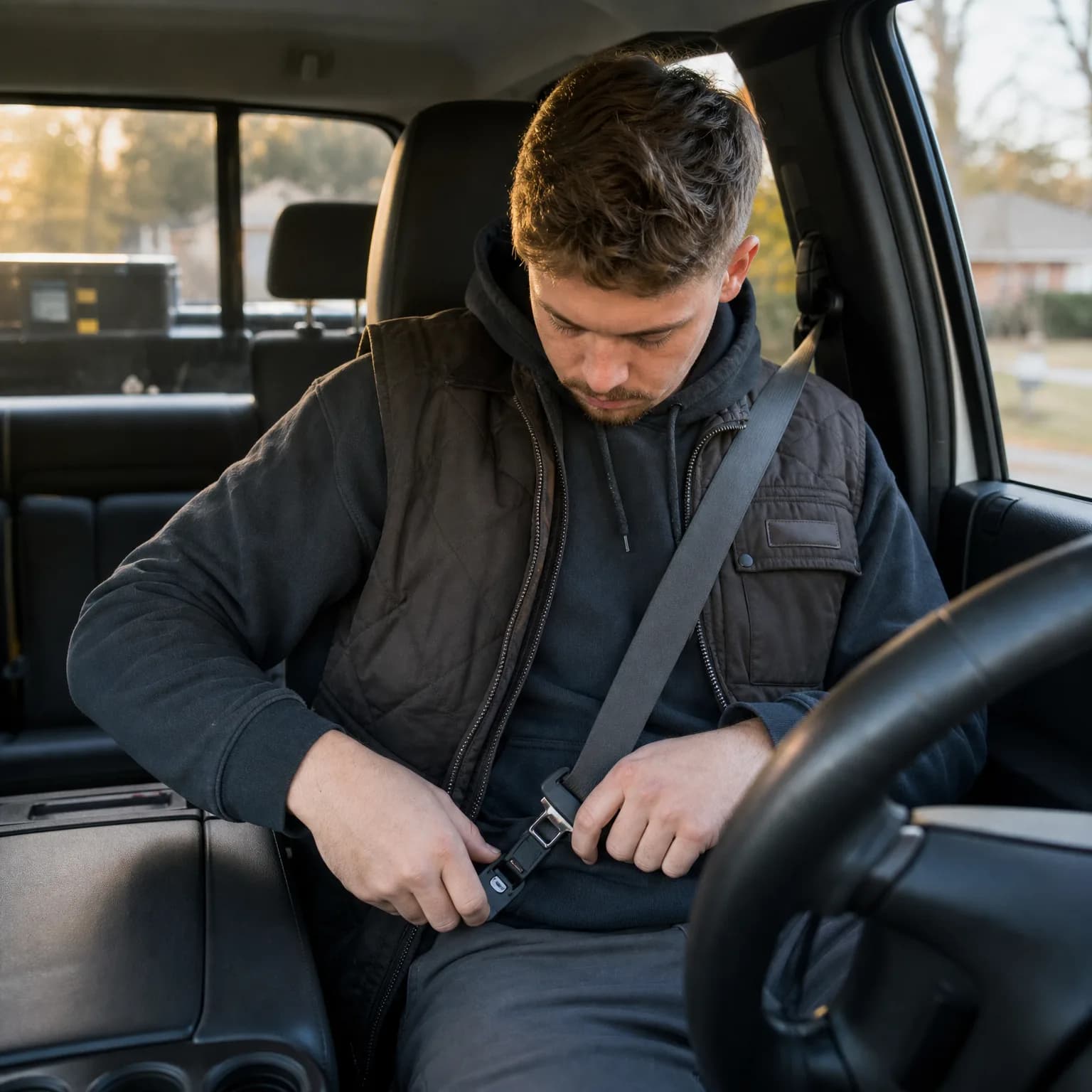
South Carolina requires in-person reinstatement for most suspension types. You must visit an SCDMV branch, present proof of identity, proof of residency, and any court clearance documents required by your suspension type. SCDMV verifies all electronic filings (SR-22, ADSAP, IID removal) in real time during your visit. If any filing is missing or shows inactive, your application is denied and you must reschedule.
Mail reinstatement is available only for certain administrative suspensions where no in-person verification is required. If you're reinstating from a DUI suspension, ignition interlock requirement, or ADSAP-mandated case, you must appear in person. SCDMV does not accept reinstatement applications via email or online portal as of current state procedures.
Processing time for in-person reinstatement is same-day if all conditions are satisfied. You pay the fee, SCDMV verifies your filings, and you leave with a temporary credential. The permanent card arrives by mail within 10-14 business days. Processing time for mail reinstatement is 7-10 business days from receipt of your application packet, assuming all required documents are included and all electronic filings show active.
Finding Coverage That Meets Filing Requirements Without Delay
Most standard carriers will not write a policy for a driver with an active suspension on their record, even if the eligibility date has passed. You need a carrier that specializes in non-standard auto insurance and files SR-22 certificates electronically with SCDMV.
Carriers writing SR-22 policies in South Carolina include Dairyland, The General, Direct Auto, Progressive, GAINSCO, Bristol West, Geico, and National General. Not all of these carriers write every suspension type — some exclude DUI cases, others exclude drivers with multiple suspensions. Premium for a post-suspension policy with SR-22 filing typically runs $140-$190/month for state minimum liability coverage. Full coverage policies (collision and comprehensive included) run $220-$320/month depending on vehicle value and your suspension history.
The SR-22 filing fee is $25-$50, paid once at policy setup. The filing stays active as long as your policy remains in force. If you cancel coverage or miss a payment, your carrier notifies SCDMV electronically within 24 hours and your license is re-suspended immediately. South Carolina does not offer a grace period for SR-22 lapses.
If you no longer own a vehicle, you need a non-owner SR-22 policy. This maintains your filing requirement without insuring a specific vehicle. Non-owner policies cost $30-$60/month and satisfy SCDMV's proof-of-insurance requirement for reinstatement. Once you purchase a vehicle, you must upgrade to a standard policy and file a new SR-22 within 10 days.
Frequently Asked Questions
Can I drive the same day my suspension eligibility date arrives?
No. Your eligibility date is when you're allowed to apply for reinstatement, not when SCDMV restores your license. You must complete the reinstatement process, receive a credential from SCDMV, and have an active SR-22 filing on record before you're legally allowed to drive. Processing takes 5-7 business days after all conditions are met.
How long does an SR-22 filing take to show active in South Carolina's system?
Carriers submit SR-22 filings electronically within 24-48 hours of policy purchase, but SCDMV's Insurance Verification System updates on a batch schedule. Filings typically register within 2-5 business days. Filings submitted before a weekend or state holiday can take the full 5 days to appear active.
Do I pay the reinstatement fee before or during my DMV visit?
You pay the $100 reinstatement fee during your in-person visit to an SCDMV branch. The fee is collected after SCDMV verifies all conditions are satisfied. If any required filing is missing or inactive, your application is denied and the fee is not collected until you return with all conditions met.
What happens if my SR-22 filing lapses after reinstatement?
Your carrier notifies SCDMV electronically within 24 hours of any policy cancellation or lapse. SCDMV re-suspends your license immediately. South Carolina does not offer a grace period for SR-22 lapses. You must purchase a new policy, file a new SR-22, and apply for reinstatement again to restore driving privileges.
Can I get my permanent license card the same day I reinstate?
No. SCDMV issues a temporary credential during your in-person reinstatement visit if all conditions are satisfied. The permanent card is mailed to your address on file and arrives within 10-14 business days. The temporary credential is valid for 45 days and functions as your license during that period.
Do I need a new SR-22 filing if I had one for my Route Restricted License?
No. The SR-22 filing that supported your Route Restricted License remains active during the conversion to full reinstatement. You do not need to purchase a new policy or file a new SR-22 unless your carrier lapsed during the restricted period. If the filing lapsed, you'll need a new SR-22 and must wait 2-5 business days for it to register before SCDMV processes full reinstatement.
Related Articles
Pre-Reinstatement SR-22 Setup in SC: Filing Window
5/18/2026

Pre-Reinstatement SR-22: Why Filing Early Matters
5/18/2026

SR-22 at South Dakota Reinstatement: When Filing Required
5/18/2026
SC License Reinstatement Fees and Required Documents
5/18/2026

Reinstatement Eligibility vs Filing Date: Why It Matters
5/18/2026

License Reinstatement Timeline by State | How Long It Takes
5/18/2026