
Texas License Reinstatement In-Person Requirements: DMV Visit
Free to compare
When Texas DPS Requires an In-Person Visit for Reinstatement
Texas Department of Public Safety offers an online Driver License Reinstatement portal at txdps.state.tx.us, but not every suspension type qualifies for online processing. Administrative License Revocation (ALR) suspensions and court-ordered DWI suspensions typically require an in-person visit to a DPS driver license office even after you pay the $125 reinstatement fee online. The online portal processes the fee payment, but document verification and license reissuance happen at the counter.
Insurance lapse suspensions, unpaid ticket suspensions, and certain point-accumulation cases often qualify for full online reinstatement if no additional holds exist on your record. The portal will tell you whether your case requires an in-person visit after you enter your driver license number and confirm eligibility. If the system displays "in-person visit required," you cannot bypass this step.
The dual-track DWI suspension structure creates confusion here. Texas imposes two separate suspensions for a single DWI arrest: one administrative (ALR, triggered by breath test refusal or failure under Texas Transportation Code Chapter 724) and one criminal (court-ordered upon conviction under Transportation Code Chapter 521). Both suspensions must be independently cleared with DPS before full reinstatement. Clearing one track online does not automatically clear the other.

What Documents You Must Bring to the DPS Office
If your suspension requires an in-person visit, bring your court order (if applicable), SR-22 certificate of financial responsibility, proof of completion of any required DUI education or intervention program, ignition interlock installation documentation (if ordered by the court or required by statute), and payment confirmation for the $125 reinstatement fee. DPS will not process reinstatement without the SR-22 filing on record. Your insurance carrier must electronically file the SR-22 directly with Texas DPS before your visit.
For ALR suspensions, DPS may require proof that the suspension period has fully elapsed. Bring the original ALR notice or suspension order showing the start date. For court-ordered suspensions, bring the court's certified order showing the suspension end date and any conditions satisfied. If your suspension was tied to unpaid surcharges under the now-repealed Driver Responsibility Program, bring proof of payment or clearance letter from DPS.
DPS processes reinstatements during standard office hours. Wait times vary by location and time of day. Austin and Houston driver license offices typically see higher volume. Appointments are not universally available for reinstatement cases, so expect to take a number and wait. Processing at the counter takes approximately 15 minutes once called if all documents are in order.

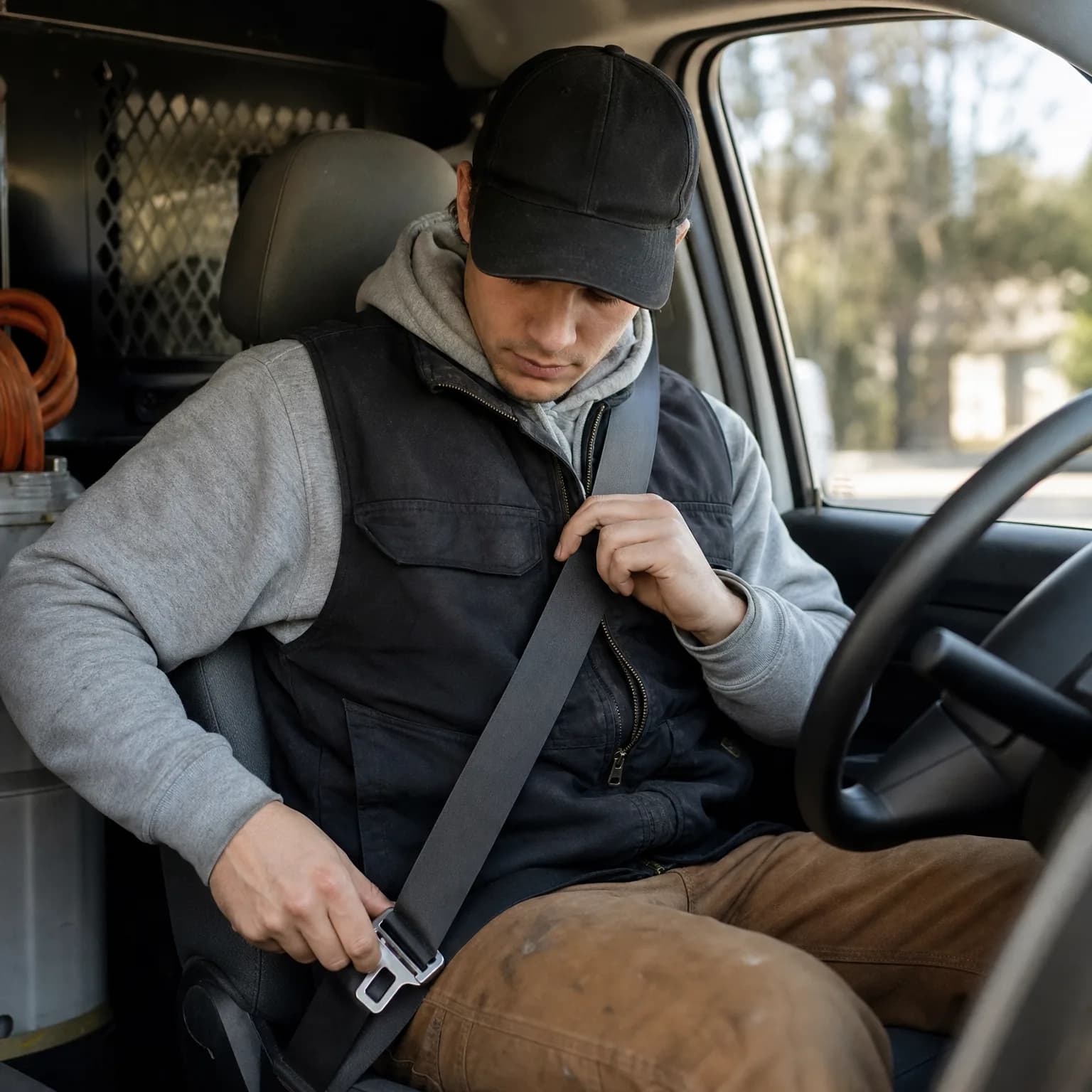
SR-22 Filing Must Be Active Before Your Visit
Texas requires SR-22 financial responsibility filing for all DWI-related suspensions, most ALR cases, uninsured driving violations, and certain point-accumulation cases. The SR-22 must be electronically filed with DPS and show as active in their system before the counter agent can process reinstatement. Filing the SR-22 on the day of your visit is too late.
Carriers typically file SR-22 certificates within 24 to 48 hours of policy issuance, but electronic transmission to DPS and system updating can add another 24 to 72 hours. File your SR-22 at least 5 business days before your planned DPS visit to avoid delays. Call the DPS driver license helpline at 512-424-2600 the day before your visit to confirm the SR-22 shows as active on your record.
Texas requires SR-22 filing for 2 years from the reinstatement date for most DWI and liability-related suspensions under Texas Transportation Code §601.153. If your SR-22 lapses during that period, DPS will suspend your license again without additional notice. Maintain continuous coverage and keep the SR-22 filing active through the full required period.

Have Your Proof of Insurance Ready to Reinstate
Get My Post-Reinstatement QuoteNon-Standard Carriers That Write Post-Suspension Policies in Texas
Most standard carriers will not write a policy immediately after a DWI or ALR suspension. Non-standard and high-risk carriers dominate this market. GAINSCO, Dairyland, Bristol West, The General, Direct Auto, Acceptance Insurance, and Infinity all write high-risk auto insurance in Texas and file SR-22 certificates.
Expect monthly premiums between $140 and $280 for minimum liability coverage with an SR-22 filing, depending on your age, county, violation history, and whether you need full coverage or liability-only. The SR-22 filing fee itself is typically $25 to $50, separate from the premium increase. Full coverage policies (collision and comprehensive added) will run significantly higher, often $250 to $450 per month post-suspension.
Some carriers require a down payment equal to two months of premium before issuing the policy and filing the SR-22. Budget for that upfront cost in addition to the $125 DPS reinstatement fee. If you no longer own a vehicle, ask about non-owner SR-22 policies, which provide liability coverage and SR-22 filing without insuring a specific car.

Occupational Driver License Holders Transitioning to Full Reinstatement
If you held an Occupational Driver License (ODL) during your suspension, the ODL does not automatically convert to a full unrestricted license once your suspension period ends. You must still complete the full reinstatement process, including paying the $125 fee, appearing in person if required, and maintaining SR-22 filing. The ODL simply allowed restricted driving during the suspension—it does not satisfy reinstatement requirements.
Your SR-22 filing must remain active continuously from the ODL issuance date through the full reinstatement and the required filing period after reinstatement. If your SR-22 lapsed during the ODL period, DPS will require you to restart the SR-22 filing clock from the date you reinstate it. Most drivers who held an ODL already have SR-22 filing in place, which simplifies the reinstatement process.
Once you complete full reinstatement, the route and time restrictions from your ODL court order are lifted. You are no longer limited to essential need driving (work, school, medical). The 12-hour daily driving cap no longer applies. However, the SR-22 filing requirement continues for the full 2-year period from your reinstatement date.

Processing Time and License Reissuance at the Counter
If all documents are in order and the SR-22 shows active in the DPS system, the counter agent will process your reinstatement and issue a temporary paper license on the spot. Your permanent license card arrives by mail within 10 to 14 business days. The temporary paper license is valid for 45 days and serves as your legal license during the mail transit period.
If the agent identifies missing documentation, unpaid fees, or an inactive SR-22 filing, you will be sent away without reinstatement. DPS does not hold incomplete applications. You must return with the missing items and wait in line again. The $125 reinstatement fee is non-refundable even if you cannot complete the process on your first visit.
Some suspension cases require a knowledge retest or driving skills retest before reinstatement. DPS will notify you if your case requires retesting. ALR first-offense suspensions typically do not require retesting. Longer suspensions (over 2 years) or suspensions tied to medical conditions may trigger retest requirements. If retesting is required, schedule it before your reinstatement visit to avoid delays.
Frequently Asked Questions
Can I complete Texas license reinstatement entirely online?
Only certain suspension types qualify for full online reinstatement through the Texas DPS portal. ALR suspensions and court-ordered DWI suspensions typically require an in-person visit to a DPS driver license office even after online fee payment. The portal will indicate whether your case requires in-person processing after you enter your driver license number.
What happens if my SR-22 is not active when I go to DPS?
DPS will not process your reinstatement if the SR-22 does not show as active in their system. You will be sent away and must return once the SR-22 filing is confirmed active. Call the DPS driver license helpline at 512-424-2600 the day before your visit to verify the SR-22 is on file.
How long does the DPS reinstatement visit take?
Processing at the counter takes approximately 15 minutes once called if all documents are in order and the SR-22 is active in the system. Wait times before being called vary by location and time of day, typically ranging from 30 minutes to 2 hours at high-volume offices.
Does my Occupational Driver License automatically convert to a full license?
No. The ODL does not convert automatically. You must complete the full reinstatement process, including paying the $125 fee and appearing in person if required. Once reinstated, the route and time restrictions from your ODL court order are lifted, but the SR-22 filing requirement continues for the full required period.
What if I cleared one DWI suspension but still show as suspended?
Texas imposes two separate suspensions for a single DWI arrest: one administrative (ALR) and one criminal (court-ordered). Both must be independently cleared with DPS before full reinstatement. Clearing one track does not automatically clear the other. Check your driver record to confirm both suspension actions are addressed.
Will DPS require me to retest before reinstatement?
ALR first-offense suspensions typically do not require retesting. Longer suspensions (over 2 years) or suspensions tied to medical conditions may trigger knowledge or driving skills retest requirements. DPS will notify you if retesting is required for your case. Schedule any required retest before your reinstatement visit to avoid delays.
Related Articles

Texas License Reinstatement: In Person vs Mail Rules
5/18/2026

Texas License Reinstatement: DPS Steps & SR-22 Setup
5/18/2026

TX DPS Reinstatement Checklist: 3 Required Documents
5/18/2026

TX DWI vs Points Suspension: Reinstatement Differences
5/18/2026

Reinstate License Without DMV Visit: Mail & Online
5/18/2026

When DMV In-Person Reinstatement Is Required by Cause
5/18/2026