
Vermont License Reinstatement: Base Fee and Process Overview
Free to compare
What Vermont's $71 Reinstatement Fee Actually Covers
Vermont charges a $71 base reinstatement fee to restore your license after most administrative suspensions. This fee goes to the Department of Motor Vehicles and covers the administrative cost of processing your reinstatement paperwork.
The $71 fee does not include court fines, SR-22 filing fees, ignition interlock device costs, or any traffic school charges required by your suspension type. DUI-related reinstatements typically add hundreds or thousands in additional costs beyond the base DMV fee.
Payment must be made before the DMV will process your reinstatement application. Vermont accepts payment in person at DMV offices, by mail with a check or money order, or online through the DMV portal for eligible suspension types. Confirm your specific suspension allows online payment before attempting to pay remotely.

Vermont's Dual-Track DUI Suspension Structure
DUI suspensions in Vermont operate on two parallel tracks: a civil administrative suspension imposed by the DMV under implied consent law (23 V.S.A. § 1205) and a criminal court-ordered suspension following conviction. Both suspensions run independently and both must be satisfied before full driving privileges return.
The civil track triggers immediately upon arrest if you refuse chemical testing or fail a blood alcohol test. A first-offense refusal results in a 6-month administrative suspension; a first-offense test failure results in a 90-day suspension. You have 7 days from the notice to request a hearing to contest the civil suspension — missing that window waives your right to appeal.
The criminal track suspension begins after court conviction and runs separately from the civil suspension. Courts may impose additional suspension time, mandate ignition interlock installation, or require DUI education programs as conditions of eventual reinstatement. Completing the civil suspension period does not satisfy the criminal suspension requirement.

Civil Suspension License: Vermont's Court-Based Hardship Option
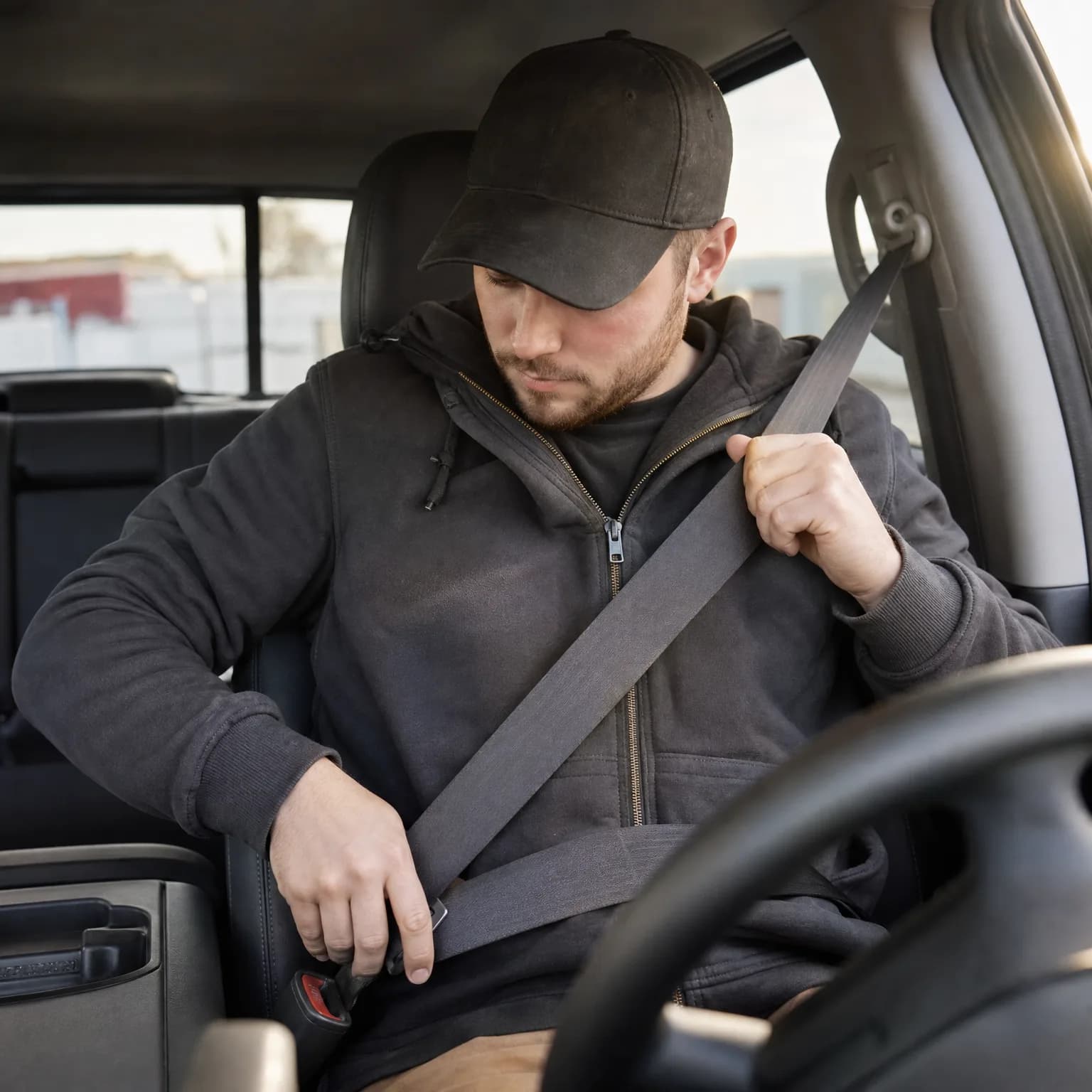
Vermont offers a Civil Suspension License for drivers facing administrative license suspension, but it operates differently from hardship licenses in most states. The issuing authority is the Vermont Superior Court Civil Division, not the DMV.
You must file a petition with the court demonstrating genuine hardship — employment, medical necessity, or educational need. The court decides whether to grant restricted driving privileges, defines the permitted routes and hours, and sets the conditions. Most petitions require proof of SR-22 insurance or other financial responsibility documentation before the court will approve.
Ignition interlock installation is mandatory for DUI-related Civil Suspension Licenses. The device must be installed before the court grants restricted privileges, and you must provide proof of installation and monthly monitoring compliance throughout the restricted license period. First-time DUI offenders face a mandatory 90-day hard suspension before Civil Suspension License eligibility begins.

Have Your Proof of Insurance Ready to Reinstate
Get My Post-Reinstatement QuoteSR-22 Filing Requirements and Duration
DUI-related reinstatements in Vermont require an SR-22 certificate of financial responsibility for 3 years from the reinstatement date. The SR-22 is not insurance — it is a filing your insurance carrier submits to the Vermont DMV confirming you carry at least the state's minimum liability coverage ($25,000 per person, $50,000 per accident for bodily injury, $10,000 for property damage).
Most standard carriers will not write policies for recently-suspended drivers. Non-standard carriers like Dairyland, Geico, Progressive, National General, and The General actively write SR-22 policies in Vermont and can file the certificate electronically with the DMV within 24 to 48 hours.
If your SR-22 lapses at any point during the 3-year filing period — because you cancel the policy, miss a payment, or switch carriers without maintaining continuous coverage — the DMV receives automatic notice and will re-suspend your license. You must then restart the filing period from zero. Maintain continuous coverage with an SR-22-filing carrier for the full required period.

Reinstatement Process Timeline and Steps
Vermont's reinstatement process requires completing all suspension-specific requirements before paying the $71 fee and applying for license restoration. The sequence matters: attempting to pay the fee before satisfying court orders, SR-22 filing, or ignition interlock requirements will delay processing.
For DUI suspensions, confirm both the civil and criminal suspension periods have ended, ignition interlock requirements are satisfied (if applicable), DUI education programs are completed, all court fines and fees are paid, and SR-22 filing is active. Gather documentation proving each requirement is met.
Submit your reinstatement application in person at a Vermont DMV office or by mail if your suspension type permits remote processing. Include proof of completed requirements, payment of the $71 reinstatement fee, and SR-22 certificate confirmation. Processing typically takes several business days; in-person applications may be processed same-day if all documentation is complete and verified.

Insurance Cost Impact After Reinstatement
Expect premium increases of 60% to 120% for the first policy period after a DUI-related suspension in Vermont. Non-standard carriers price suspended-driver risk into their base rates, and those rates remain elevated for 3 to 5 years even after the SR-22 filing period ends.
The SR-22 filing fee itself ranges from $15 to $50 depending on the carrier. This is a one-time or annual processing charge separate from your premium. The larger cost is the sustained premium increase driven by the suspension appearing on your motor vehicle record and insurance loss history.
If you no longer own a vehicle, a non-owner SR-22 policy satisfies Vermont's filing requirement at lower cost than a standard policy. Non-owner policies provide liability coverage when you drive borrowed or rental vehicles and maintain the continuous SR-22 filing the DMV requires. Expect monthly premiums of $40 to $80 for non-owner SR-22 coverage in Vermont depending on your violation history and the carrier.
Frequently Asked Questions
Can I reinstate my Vermont license online?
Vermont allows online reinstatement payment for some suspension types through the DMV portal, but DUI-related suspensions and court-ordered suspensions typically require in-person processing. You must confirm all suspension requirements are satisfied before attempting online payment — the system will reject incomplete applications. Call the Vermont DMV at 802-828-2000 to verify your suspension type is eligible for online reinstatement before submitting payment.
How long does Vermont reinstatement processing take?
In-person reinstatement applications at Vermont DMV offices are typically processed same-day if all required documentation is complete and verified. Mail-in applications take several business days to process once received. DUI-related reinstatements require additional verification of SR-22 filing status, ignition interlock compliance, and court-ordered program completion, which can extend processing time if documentation is incomplete.
What happens if my SR-22 lapses during the filing period in Vermont?
Vermont DMV receives automatic electronic notice when your SR-22 filing lapses due to policy cancellation, non-payment, or carrier termination. The DMV will suspend your license again and you must restart the 3-year SR-22 filing period from zero. Avoid lapses by maintaining continuous coverage with an SR-22-filing carrier and confirming any carrier switch includes uninterrupted SR-22 filing before canceling the old policy.
Does Vermont require a re-test after license reinstatement?
Vermont does not require a written or road test for most administrative suspensions, including first-offense DUI suspensions. Longer suspension periods or multiple violations may trigger re-testing requirements at DMV discretion. The DMV will notify you during the reinstatement application process if re-testing is required for your specific suspension type.
Can I get a Civil Suspension License for non-DUI suspensions in Vermont?
Vermont's Civil Suspension License is available for DUI-related administrative suspensions and for some points-related suspensions where genuine hardship can be demonstrated. The court evaluates each petition individually based on necessity and risk. Suspensions for unpaid fines, child support arrears, or failure to appear typically do not qualify for hardship relief — those suspensions are resolved by satisfying the underlying obligation.
How much does ignition interlock installation cost in Vermont?
Ignition interlock device installation in Vermont typically costs $75 to $150, with monthly monitoring and calibration fees of $60 to $90. Total cost over a 12-month mandatory IID period ranges from $800 to $1,200. Some Vermont IID providers offer income-based payment plans — ask the installer about hardship options when scheduling your installation appointment.
Related Articles

Vermont Reinstatement Retest: Written, Road, or Both?
5/18/2026
CT License Reinstatement Fee and Process Overview
5/18/2026

Vermont Reinstatement: Carrier Access After Suspension
5/18/2026

Vermont SR-22 Filing Duration After Reinstatement
5/18/2026

Virginia License Reinstatement Fees and Documents
5/18/2026

License Reinstatement Fees by State: Full Cost Breakdown
5/18/2026