What Non-Owner SR-22 Coverage Actually Insures at Reinstatement
Free to compare
Non-Owner SR-22 Covers Your Liability When Driving Someone Else's Vehicle
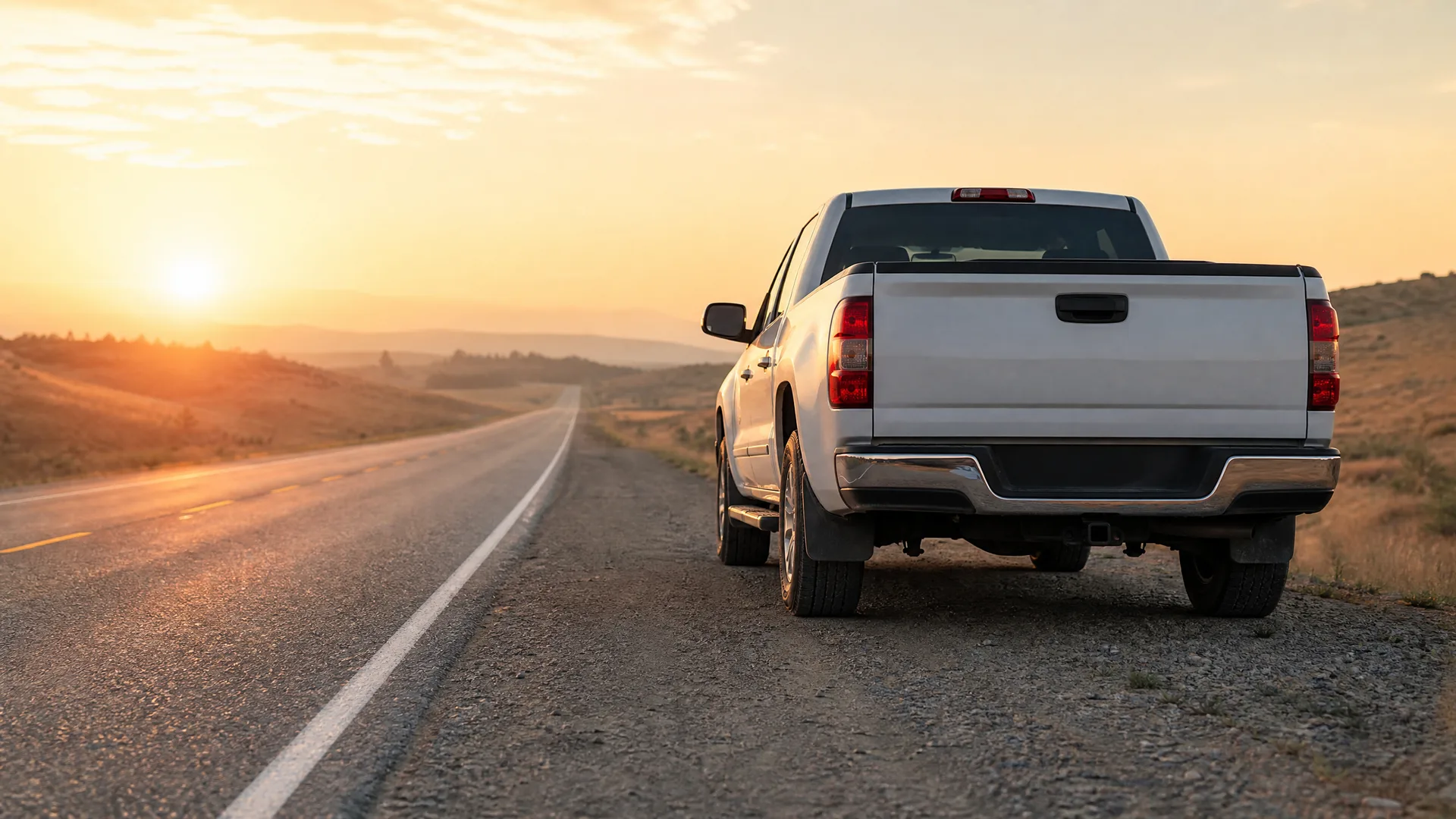
Non-owner SR-22 insurance attaches liability coverage to you as a driver rather than to a specific vehicle. If you borrow a friend's car and cause an accident, your non-owner policy pays bodily injury and property damage claims up to your policy limits. The vehicle owner's insurance responds first, and your non-owner coverage acts as secondary liability protection if their limits are exceeded.
This structure works at reinstatement because most states require only proof of financial responsibility, not proof you own a vehicle. The SR-22 certificate filed with your state DMV confirms you carry continuous liability coverage. The DMV processes your reinstatement without verifying vehicle ownership.
Non-owner policies typically provide state minimum liability limits: $25,000 bodily injury per person, $50,000 per accident, and $25,000 property damage in most states. These minimums satisfy SR-22 filing requirements but leave you personally liable for any damages exceeding those thresholds.
What Non-Owner SR-22 Explicitly Excludes at Reinstatement
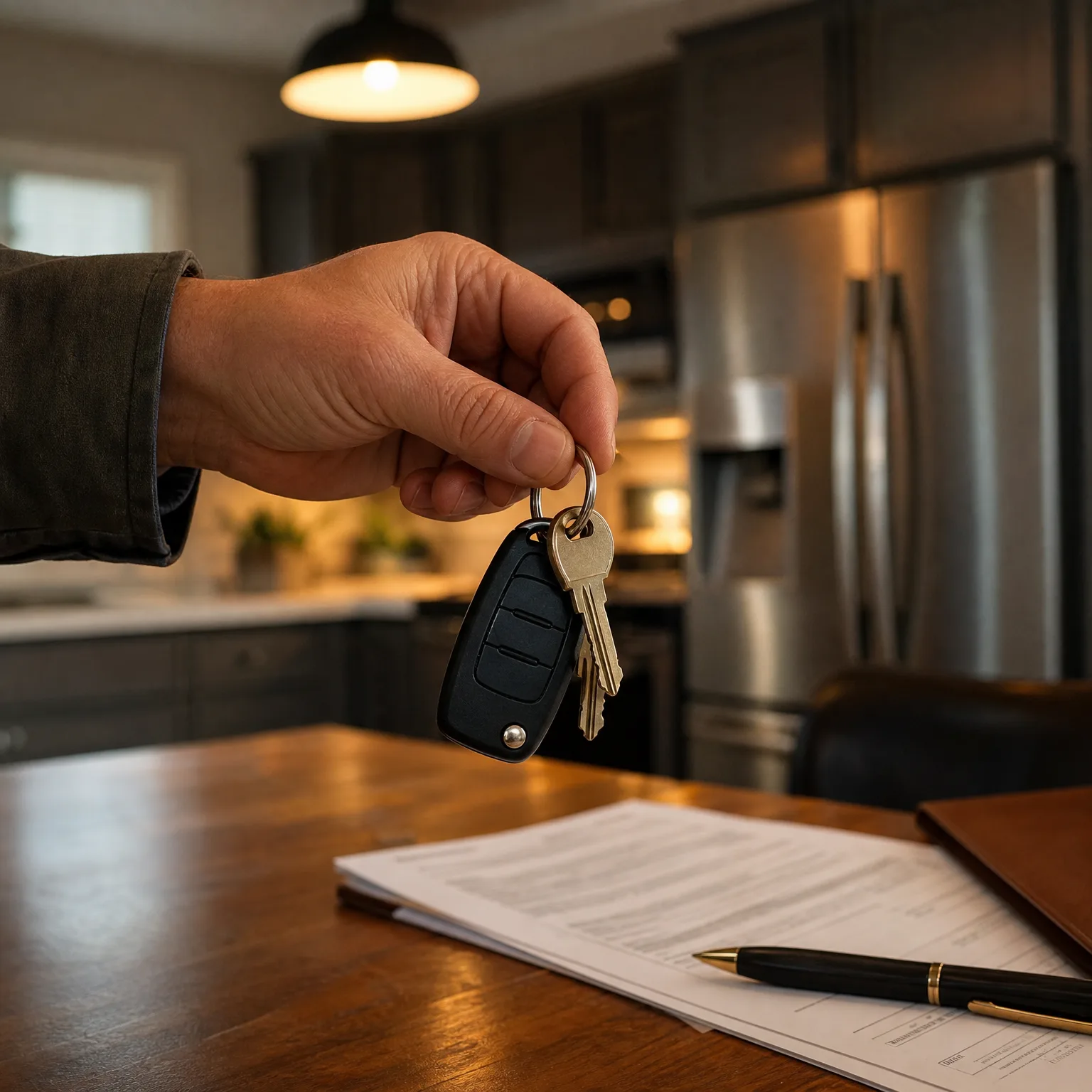
Non-owner policies exclude any vehicle you own, lease, or regularly use. If you purchase or finance a vehicle after reinstatement, your non-owner SR-22 provides zero coverage for that vehicle. You cannot add comprehensive or collision coverage to a non-owner policy because there is no insured vehicle.
The exclusion extends to employer-provided vehicles in many policies. If your job requires driving a company vehicle and you hold only non-owner coverage, any at-fault accident may result in denied claims. Verify employer vehicle coverage explicitly before accepting a driving role.
Non-owner policies also exclude household members' vehicles if you have regular access. Insurers define regular access as more than occasional use, typically interpreted as weekly or more frequent driving. If you live with someone who owns a vehicle and you drive it routinely, their policy must list you as a named driver or you need a standard policy naming that vehicle.

Why Drivers Choose Non-Owner SR-22 Post-Suspension
Drivers select non-owner SR-22 when they lost vehicle access during suspension and have not yet replaced it. If your car was repossessed, sold to cover legal costs, or surrendered during a lengthy suspension, non-owner coverage keeps your license valid while you rebuild financial stability.
Non-owner premiums run $300 to $600 annually in most states, significantly lower than standard auto premiums for high-risk drivers. The cost difference reflects the reduced exposure: insurers assume you drive infrequently and only vehicles covered by someone else's primary policy. Monthly payment plans typically add $3 to $8 per transaction.
Some drivers use non-owner SR-22 strategically to maintain continuous coverage during a vehicle gap. A lapse in SR-22 coverage triggers automatic license re-suspension in most states, with reinstatement fees and extended filing periods. Non-owner policies prevent that lapse at lower cost than maintaining full coverage on a vehicle you no longer drive.

Have Your Proof of Insurance Ready to Reinstate
Get My Post-Reinstatement QuoteWhen You Must Switch from Non-Owner to Standard Coverage
You must replace your non-owner policy the day you take possession of a vehicle. Driving a newly purchased vehicle on non-owner coverage violates the policy exclusion and leaves you completely uninsured. Most states define this as uninsured driving, a separate violation that can trigger additional suspension.
The transition requires coordinating with your insurer before purchase. Call your carrier at least 48 hours before taking delivery to bind standard coverage on the new vehicle. The insurer will cancel your non-owner policy and issue a standard policy with the vehicle's VIN. Your SR-22 filing transfers automatically to the new policy without interruption.
Failure to notify your insurer within the policy's required timeframe, typically 30 days, results in retroactive cancellation. The insurer reports the cancellation to your state DMV, triggering re-suspension. Reinstatement then requires paying a second reinstatement fee, refiling SR-22, and potentially extending your total filing period.
How Non-Owner SR-22 Affects Post-Reinstatement Premium Increases
Non-owner SR-22 premiums reflect your suspension history and required filing, not vehicle risk. Expect rates 30% to 90% higher than standard non-owner policies without SR-22. DUI-based suspensions typically produce the highest increases, while points-based or administrative suspensions fall at the lower end of that range.
When you transition to a standard policy after purchasing a vehicle, the premium jump compounds. Your new rate reflects vehicle risk, coverage limits, comprehensive and collision costs, and your SR-22 history simultaneously. A driver paying $450 annually for non-owner SR-22 may face $1,800 to $2,500 annually when switching to standard coverage on a financed vehicle requiring full coverage.
The SR-22 filing period continues through this transition. If your state requires three years of SR-22 filing, switching from non-owner to standard coverage midway through year two does not reset the clock. Your standard policy maintains the filing, and the original three-year period still governs when the requirement ends.

Finding Carriers That Write Non-Owner SR-22 Post-Suspension
Standard carriers rarely write non-owner SR-22 for recently reinstated drivers. State Farm, GEICO, and Progressive may decline non-owner applications from drivers with DUI suspensions or multiple violations within three years. Non-standard carriers like Bristol West, Dairyland, The General, and Direct Auto specialize in high-risk non-owner policies.
Non-standard carriers charge higher premiums but approve applications standard carriers reject. Compare at least three non-standard quotes: rates vary significantly based on each carrier's appetite for specific violation types. A carrier quoting $600 annually for a DUI-based suspension may quote $350 for a points-based suspension, while a competitor reverses those figures.
Some states operate assigned risk pools for drivers unable to secure voluntary market coverage. These pools guarantee coverage at regulated rates but typically cost 50% to 100% more than voluntary non-standard market premiums. Assigned risk should be your last option after exhausting non-standard carrier quotes.
Frequently Asked Questions
Can I add a vehicle to my non-owner SR-22 policy after reinstatement?
No. Non-owner policies explicitly exclude owned vehicles. You must cancel the non-owner policy and purchase a standard auto policy naming the vehicle before you take possession. Your SR-22 filing transfers to the new policy automatically if you coordinate the switch with your insurer in advance.
Does non-owner SR-22 cover rental cars?
Yes, in most policies. Non-owner liability coverage extends to rental vehicles up to your policy limits. Verify your policy includes rental coverage explicitly, as some carriers exclude commercial rental vehicles or require advance notice before renting.
What happens if I drive a household member's car on non-owner coverage?
Most non-owner policies exclude vehicles owned by household members if you have regular access. If you drive a household vehicle weekly or more, the vehicle owner's policy must list you as a named driver or you need a standard policy. Driving excluded vehicles voids your coverage.
Can I get non-owner SR-22 if I have a CDL?
Yes, but non-owner SR-22 does not satisfy commercial driving requirements. If you drive commercially, you need a commercial auto policy. Non-owner SR-22 maintains your personal license reinstatement but does not restore CDL privileges suspended separately.
How long does my non-owner SR-22 filing need to stay active?
Filing duration depends on your original suspension cause and state requirements. DUI suspensions typically require three years of SR-22 filing in most states. Points-based or administrative suspensions may require one to two years. Your reinstatement notice specifies the exact end date.
Does non-owner SR-22 cover me when driving for rideshare?
No. Rideshare driving requires commercial coverage. Non-owner policies exclude vehicles used for hire, including Uber and Lyft. Driving rideshare on non-owner coverage violates both your insurance policy and the rideshare platform's terms.
Related Articles
Non-Owner SR-22 Insurance After Reinstatement
5/18/2026

Non-Owner SR-22 Insurance After License Reinstatement
5/18/2026
Non-Owner vs Owner SR-22: Which Filing at Reinstatement
5/18/2026
Non-Owner SR-22 at Reinstatement Without a Vehicle
5/18/2026
Non-Owner SR-22 Filing for Reinstated Drivers
5/18/2026

Switch Non-Owner to Owner SR-22 After Vehicle Purchase
5/18/2026